


Indexing


Journal Cover

The Community Structure of Macroscopic Fungi in Arboretum and Lakeside Ecosystems: A Case Study in South Tangerang, Indonesia
Abstract
This study aimed to evaluate the community structure (diversity, dominance, richness, and evenness indices) and the microclimate factors affecting the growth of macrofungi in arboretum and lakeside ecosystems. The research was conducted in South Tangerang, Banten, Indonesia, from September to December 2024. A species-specific survey method was used at two locations representing the arboretum and the area surrounding the lake. Results revealed that a total of 466 macrofungal individuals were found, representing nine species from the division of Basidiomycota. Two species, Lentinus sajor-caju and Schizophyllum commune, dominated the ecosystem. The diversity of macrofungi was classified as moderate, the dominance index as low, the richness index as poor, and the evenness index as low. Approximately 75% of the species were associated with decaying wood substrates, whereas the remaining species inhabited soil environments. Microclimatic variables, including air temperature, humidity, light intensity, and substrate pH, are key factors supporting macrofungal growth.
Keywords: Arboretum; Community structure; Diversity Index; Lakeside; Macrofungi; Microclimatic factors
The Community Structure of Macroscopic Fungi in Arboretum and Lakeside Ecosystems: A Case Study in South Tangerang, Indonesia
Hikmah Zikriyani1*†, Arie Aryanto1†, Na’ilah Insani Alifiyah1† and Anuraga Jayanegara2
1Biology Study Program, Universitas Terbuka, South Tangerang, Indonesia
2Directorate for Strategic Studies and Academic Reputation, IPB University, Bogor, Indonesia
*For correspondence: hikmah.zikriyani@ecampus.ut.ac.id; Orcid id: 0009-0002-7544-2674
†Contributed equally to this work
Received 28 April 2025; Accepted 11 July 2025; Published online 22 September 2025
Editor: Arshad Javaid
Abstract
This study aimed to evaluate the community structure (diversity, dominance, richness, and evenness indices) and the microclimate factors affecting the growth of macrofungi in arboretum and lakeside ecosystems. The research was conducted in South Tangerang, Banten, Indonesia, from September to December 2024. A species-specific survey method was used at two locations representing the arboretum and the area surrounding the lake. Results revealed that a total of 466 macrofungal individuals were found, representing nine species from the division of Basidiomycota. Two species, Lentinus sajor-caju and Schizophyllum commune, dominated the ecosystem. The diversity of macrofungi was classified as moderate, the dominance index as low, the richness index as poor, and the evenness index as low. Approximately 75% of the species were associated with decaying wood substrates, whereas the remaining species inhabited soil environments. Microclimatic variables, including air temperature, humidity, light intensity, and substrate pH, are key factors supporting macrofungal growth.
Keywords: Arboretum; Community structure; Diversity Index; Lakeside; Macrofungi; Microclimatic factors
Introduction
Indonesia is recognized as the second-largest mega-biodiversity hotspot in the world, home to approximately 25% of the planet's species across its diverse ecosystems (Risalba 2024). Its strategic location along the equator contributes to its tropical climate, which is characterized by high annual rainfall, elevated humidity, and abundant sunlight. These climatic conditions foster a wide range of ecosystems, from tropical rainforests to savannas, creating an ideal environment for numerous organisms, including fungi (Stallman et al. 2024).
Fungi are eukaryotic organisms that reproduce both sexually and asexually via spore production. They are characterized by the absence of chlorophyll and have cell walls composed of chitin and cellulose. As heterotrophic organisms, fungi obtain their nutrients by deriving substances from other living organisms (Suryani et al. 2020). As eukaryotic organisms, fungi can be classified into two size categories: microscopic fungi, which can only be observed under a microscope, and macroscopic fungi (or macrofungi), which are large enough to be seen with the naked eye (Nurhayat et al. 2021). Macrofungi are commonly used by humans as a source of food and medicine because of their nutritional and therapeutic properties (Wahyudi et al. 2012). Examples of edible fungi include ear mushrooms (Auricularia auricula) and white oyster mushrooms (Pleurotus ostreatus). In ecosystems, macrofungi play an essential ecological role as decomposers, as they can thrive on dead organic matter as saprophytes, thus contributing to nutrient cycling and the breakdown of organic materials (Annisa et al. 2017). In nature, macrofungi produce fruiting bodies that grow as saprophytes on dead or living tree trunks, leaf litter and soil (Noverita et al. 2018; Setiorini et al. 2018). These substrates are rich in compounds such as holocellulose (cellulose and hemicellulose), lignin, and other carbohydrates, which serve as energy sources for fungi (Setiyono 2004; Hamdiyati 2007). According to Wahyuningsih et al. (2022), tree trunks are particularly suitable substrates due to their high levels of lignin and cellulose (Wahyuningsih et al. 2022).
The arboretum and lakeside each reflect distinct semi-urban ecosystems are shaped by their unique vegetation and subtle differences in microclimate. The arboretum, with its dense tree canopy and shaded environment, creates a humid and sheltered
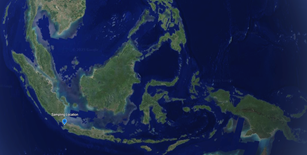
Fig. 1: Map of study area with scale 1:638,800,000
habitat that favours fungal growth, whereas the lakeside area, being more exposed and open, provides drier and more fluctuating conditions for fungal growth. Although macrofungal diversity has been widely documented in natural forests and protected areas, relatively little is known about fungal communities thriving in green spaces shaped by human activity. It is essential for urban green zones to play a role in conserving biodiversity. Therefore, this study was conducted to assess the community structure, focusing on the diversity, dominance, richness, and evenness of macroscopic fungi in arboretum and lakeside ecosystems in South Tangerang, Indonesia, and to examine how local microclimatic factors affect their distribution and abundance.
Materials and Methods
Location and sampling procedure
The research was conducted at the arboretum and lakeside area around Universitas Terbuka, South Tangerang, Banten, Indonesia, from September to December 2024. This area lies between 6°20'16"S 106°45'35"E and 6°20'23"S 106°45'42"E for the arboretum and lakeside, respectively (Fig. 1).
Sampling locations were chosen based on the accessibility of the area and macrofungi occurrence. The sampling was carried out using the exploration method (Noerhandayani et al. 2021). The technique used was random sampling, which involved creating plots measuring 5 × 5 m2, with 10 m between each plot (Sibuea 2017). Macrofungi were directly collected, and their characteristics, including shape, color, length of the stalk, diameter of the fruiting body and living substrate (soil, tree trunks, leaf litter, and other habitats), were recorded. The identification process followed the guidelines from Field Guide to Common Macrofungi in Eastern Forest and Their Ecosystem Functions (Ostry et al. 2011), A Little Field Guide to West Brisbane Fungi (Prance and Mcmullan-Fisher 2014), Mushrooms for Trees and People (Mortimer et al. 2014) and a guide to Missouri’s edible and poisonous mushroom (Briggler 2018).
Pure cultures were obtained by isolating the collected mushroom samples. The steps for isolating macrofungi started by cleaning the surface of the samples, followed by sterilization with 70% alcohol. The samples were then longitudinally cut using aseptic techniques to collect spores from the interior (the part that had not been exposed to the environment to minimize contamination) using a sterile scalpel. The collected samples were placed in Petri dishes containing potato dextrose agar (PDA) medium. The samples in the Petri dishes were incubated at room temperature for 3-7 days. Mycelial growth on the PDA medium indicated that the sample had been purified (Fadhillah et al. 2019). The obtained pure culture was used for further research. The specimens were preserved for collection by creating a wet herbarium. The wet herbarium prepared by soaking the specimens in 70% alcohol (Oxi et al. 2024).
Environmental factors, such as air temperature, humidity, light intensity, and substrate pH, were measured to provide information related to the environmental conditions where macrofungi live.
Community structure measurements
The pameters measured in the present study included the relative abundance of macrofungi, diversity, dominance, richness and species evenness indices.
Relative abundance of macrofungi
 Relative abundance (Pi) represents the
proportion of a species within a community or sample of a community. The
relative abundance (Pi) of each species was expressed as (Achacoso et al.
2016):
Relative abundance (Pi) represents the
proportion of a species within a community or sample of a community. The
relative abundance (Pi) of each species was expressed as (Achacoso et al.
2016):

Where: Pi = The relative abundance of each species
ni = The number of individuals of the same species
N = The total number of individuals for all species.
Diversity index
 Macrofungal diversity was calculated
using the Shannon-Wiener index (Achacoso et al. 2016; Baderan et al.
2021; Amrulloh et al. 2022; Fikri et al. 2023).
Macrofungal diversity was calculated
using the Shannon-Wiener index (Achacoso et al. 2016; Baderan et al.
2021; Amrulloh et al. 2022; Fikri et al. 2023).

Where: H’ = Shannon-Wiener Diversity Index
ni = Number of individuals of the i-th species
N = Total number of individuals
i = Index for each species (1st, 2nd, ..... Sth)
S = Total number of species (species richness) in the sample or community.
The range of diversity index values is classified as follows:
H’ < 1 = Low diversity
1 ≤ H’ ≤ 3 = Moderate diversity
H’ > 3 = High diversity
Dominance index
The dominance of macrofungi was calculated using the Simpson index (Basyuni et al. 2018):


Where: D = Simpson’s dominance Index
ni = Number of individuals of the i-th species
N = Total number of individuals
s = Number of genera.
The range of dominance index values was classified as follows:
0.01 <D < 0.30 = Low dominance
0.31 < D ≤ 0.60 = Moderate dominance
0.61 < D ≤ 1.00 = High dominance
Richness index
The richness index was calculated using the Margalef Index Formula (Amrulloh et al. 2022):

Explanation: R = Specific Richness Index
S = Number of types
Ln = Natural logarithm
N = Total number of individuals.
The range richness index values were classified as follows:
R < 0.35 = Poor richness
0.35 < R ≤ 0.50 = Moderate richness
R > 0.50 = High richness
The species evenness index
The species evenness index was calculated using the Evenness Index Formula (Odum 1993; Amrulloh et al. 2022):

Where: E = Specific evenness index
H’ = Index of species diversity
S = Number of species
s = Number of genera
The range of species evenness index values can be classified as follows:
0.00 < D < 0.40 = Low evenness of species
0.40 < D ≤ 0.60 = Moderate evenness of species
0.60 < D ≤ 1.00 = High evenness of species
Data analysis
The data derived from the calculations were analysed descriptively to illustrate and characterize the sediment conditions based on the various parameters outlined earlier.
Results
Analysis of community structure of macrofungi
Based on research conducted across two different ecosystems, 466 microfungi were recorded, representing nine species. All identified species belonged to the division Basidiomycota and were classified within the families Ganodermataceae, Psathyrellaceae, Polyporaceae, Schizophyllaceae, Auriculariaceae and Phallaceae. In the arboretum, 460 individuals representing seven species were found, whereas at the lakeside, six individuals representing two species were recorded.
Table 1 lists the identified macrofungal species and their corresponding substrates. The majority of species were associated with decaying wood, indicating the importance of lignocellulosic material in supporting fungal growth. Only a few species, such as Phallus sp. and Psathyrella sp., were observed on soil.
Fig. 2 shows a clear difference in the number of macrofungal individuals recorded at the two sites, with 460 found in the arboretum and just 6 at the lakeside. This striking disparity suggests that environmental conditions in the arboretum, such as greater canopy cover, higher humidity, and an abundance of decaying wood, may be more suitable for fungal growth. On the other hand, the more exposed and drier conditions near the lakeside likely restricted macrofungal development.
The relative abundance of each species is detailed in Table 2. The arboretum ecosystem was dominated by Lentinus sajor-caju (43.6%) and Schizophyllum commune (38.0%), together comprising over 80% of all recorded individuals. In contrast, the lakeside was sparsely populated, with Ganoderma sp. 2 and Phallus sp. 2 found in very low numbers with 1.1% and 0.2%
Fig. 3 presents the images of the macrofungi observed during the study, helping to visually support the identification. The images show clear differences in features like cap shape, colour, and how each species grows on its substrate, making it easier to understand their diversity and appearance in the field. According to the Shannon–Wiener diversity index, the overall diversity of macrofungi was categorized as moderate (H’ = 1.51). Diversity was moderate in the arboretum (H’ = 1.48) and low at the lakeside (H' = 0.45), reinforcing the observation that the arboretum supports a wider variety of fungal species. The Simpson dominance index further emphasizes this difference. While the overall dominance was low (D = 0.29), the arboretum ecosystem exhibited high dominance (D = 0.72), indicating that a few species overwhelmingly dominated the community. In contrast, the lakeside showed low dominance (D = 0.29), suggesting a more balanced (though limited) species presence. Species richness, calculated using the Margalef index, was generally poor, with an overall richness value of 1.14. While the arboretum had a slightly better richness score (R = 1.14) compared to the lakeside (R = 0.55), both values suggest that only a few different species were present despite the relatively high number of individuals, especially in the arboretum. This may indicate that environmental conditions favoured the growth of certain dominant species, limiting the establishment of a more diverse fungal community. Evenness values were low in both areas. The overall evenness index was 0.25, reflecting the uneven distribution of individuals among species. This low evenness indicates low species distribution uniformity.
Table 3 summarizes the categories for diversity, dominance, richness and evenness indices for each location. The data confirm that the arboretum had higher diversity but was also characterized by species dominance and low evenness. The lakeside, in contrast, exhibited uniformly low values across all ecological indices.
Table 1: Species and substrate living from Macrofungi found at arboretum and lakeside ecosystems
|
Division |
Family |
Species |
Substrate |
|
Basidiomycota |
Schizophyllaceae |
Schizophyllus commune |
Decaying wood |
|
Basidiomycota |
Auriculariaceae |
Auricularia sp. |
Decaying wood |
|
Basidiomycota |
Polyporaceae |
Lentinus sajor-caju |
Decaying wood |
|
Basidiomycota |
Ganodermataceae |
Ganoderma sp. 1 |
Decaying wood |
|
Basidiomycota |
Phallaceae |
Phallus sp. 1 |
Soil |
|
Basidiomycota |
Psathyrellaceae |
Psathyrella sp. 1 |
Soil |
|
Basidiomycota |
Psathyrellaceae |
Psathyrella sp. 2 |
Soil |
|
Basidiomycota |
Ganodermataceae |
Ganoderma sp. 2 |
Decaying wood |
|
Basidiomycota |
Phallaceae |
Phallus sp. 2 |
Soil |
Table 2: The species relative abundance at arboretum and lakeside ecosystems
|
Species |
Location founded |
Number of Individuals |
Relative abundance (%) |
|
Schizophyllus commune |
Arboretum |
177 |
38.0 |
|
Auricularia sp. |
Arboretum |
33 |
7.1 |
|
Lentinus sajor-caju |
Arboretum |
203 |
43.6 |
|
Ganoderma sp. 1 |
Arboretum |
8 |
1.7 |
|
Phallus sp. 1 |
Arboretum |
3 |
0.7 |
|
Psathyrella sp. 1 |
Arboretum |
25 |
5.4 |
|
Psathyrella sp. 2 |
Arboretum |
11 |
2.4 |
|
Ganoderma sp. 2 |
Lakeside |
5 |
1.1 |
|
Phallus sp. 2 |
Lakeside |
1 |
0.2 |
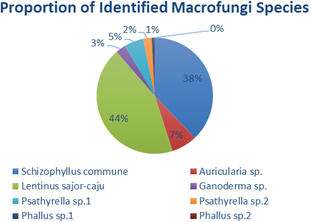
Fig. 2: Number of macrofungal individuals living in the arboretum and lakeside ecosystems
Table 3: The category of Dominance (D), Richness (d) and Evenness (E) of Macrofungi at arboretum and lakeside ecosystems
|
Calculation |
Arboretum |
Lakeside |
Combined |
|
Diversity (H’) |
Moderate (1<H'<3) |
Low (H’<1) |
Moderate (1<H'<3) |
|
Dominance (D) |
Low (0.01<D<0.3) |
Low (0.01<D<0.3) |
Low (0.01<D<0.3) |
|
Richness (R) |
Poor (R<3.5) |
Poor (R<3.5) |
Poor (R<3.5) |
|
Evenness (E) |
Low (E<0.4) |
Low (E<0.4) |
Low (E<0.4) |
Table 4: Environmental Parameters that Support Life of Macrofungi at arboretum and lakeside ecosystems
|
Environmental parameters |
Arboretum |
Lakeside |
|
Air temperature (°C) |
32.29 ± 1.77 |
33.8 ± 0.20 |
|
Air humidity (%) |
70.26 ± 2.29 |
70.3 ± 2.42 |
|
Light intensity (lux) |
3,928.08 ± 3,407.31 |
2,771.00 ± 2,783.31 |
|
Substrate pH |
Decaying wood: 6.13 ± 0.26 Soil: 7.24 ± 0.14 |
Decaying wood: 6.00 ± 0.52 Soil: 6.80 ± 0.01 |
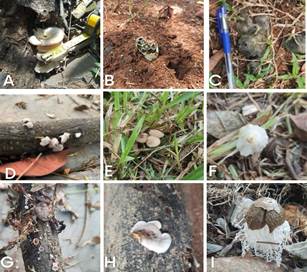
Fig. 3: Some species of macrofungi Found at arboretum and lakeside ecosystems
A. Lentinus sajor-caju, B. Phallus sp. 2, C. Ganoderma sp. 1, D. Schizophyllus commune, E. Psathyrella sp. 1, F. Psathyrella sp. 2, G. Auricularia sp., H. Ganoderma sp. 2, I. Phallus sp. 1
Effect of environmental factors on growth of macrofungi
Environmental measurements were conducted to assess the abiotic conditions influencing macrofungal distribution. Macrofungi inhabiting the combined ecosystems of the arboretum and lakeside were found to live in areas with an average air temperature of 32.85 ± 1.81°C, with the averaging 69.61 ± 2.27%. Light intensity ranged from 433 to 10,790 lux, with an average value of 3,415.07 ± 3,231.73 lux.
Table 4 provides a comparison of environmental parameters between the arboretum and lakeside ecosystems. While humidity and substrate pH were relatively similar, the arboretum showed lower temperatures and higher light intensity than the lakeside. The substrate pH of decaying wood and soil varied slightly between locations, with the arboretum soil being more alkaline (pH 7.24) compared to the lakeside (pH 6.80). These variations in microclimatic conditions, particularly temperature, substrate type, and humidity, likely contributed to the differences in macrofungal abundance and diversity observed between the two different ecosystems.
Discussion
The diversity of macrofungi observed in the study area was moderate, with a diversity index of 1.54 (1 < H' < 3), indicating that the macrofungal community consisted of various types, with two species dominating the ecosystem: Lentinus sajor-caju with a relative abundance of 43.6% and Schizophyllum commune with a relative abundance of 38%. This dominance may be influenced by the preferred habitats of these species. Lentinus sajor-caju typically grows in clusters on dead and dying trees in rainforest. It exhibits a vase-like shape during the early fruiting stage, later resembling oyster mushrooms as it matures. Its annular ring is yellowish and attached to the stem, whereas the lamellate hymenophore is clearly visible on the underside of the cap. As it grows, the cap expands, the edges curl upward, and the surface becomes greyish, sometimes featuring white lines and scattered black spots. The cap margin was outwardly curved and wavy. Basidiospores are generally ellipsoid or occasionally near-subfusiform (Hermawan and Sari 2021).
Meanwhile, Schizophyllum commune forms a fan-shaped, fleshy, and elastic fruiting body with a cap diameter ranging from 1 to 4 cm. It is gray in color and attaches laterally to its substrate. The hymenophore, located on the underside of the fruiting body, is gilled, with distinctly folded and split gills earning it the common name "split-gilled fungi" (Padhiar et al. 2009).
Approximately 78% of the macrofungi were found within the arboretum, whereas the remainder were observed at the lakeside. Established around 2005 as a buffer zone, the arboretum hosts plant species collected from various regions of Indonesia. Over nearly two decades, the vegetation has developed a closed canopy, creating a humid microenvironment rich in substrates favourable for fungal growth. According to Trudell and Edmonds (2004), fungal diversity tends to be higher in habitats characterized by suitable soil moisture, abundant litter, and dense canopy cover, all of which help to maintain favourable humidity levels. Canopy cover plays a critical role in supporting macrofungal diversity by increasing substrate availability on the forest floor and promoting the retention of moisture. Litter, as an essential component of forest ecosystems, serves as the primary organic matter source for soil; its removal significantly impacts macrofungal diversity and growth (Joshi et al. 2022). The lakeside sampling area, located along the water’s edge, exhibited a more open canopy and lower soil moisture levels, creating less favourable conditions for macrofungal development. Additionally, tree thinning has contributed to the decline of delicate and fragile fruiting bodies; however, the extent of this impact varies significantly depending on the season, fruiting patterns of macrofungi and degree of thinning (Luoma et al. 2004).
Approximately 75% of the macrofungi recorded in the study area were associated with decaying wood substrates. Decaying wood provides essential nutrients, such as cellulose, hemicellulose, and lignin, which support fungal growth. These compounds are broken down by extracellular enzymes secreted by fungi, enabling them to access the simpler molecules necessary for their development (Wahyuningsih et al. 2022). Hamdiyati (2007) further noted that tree trunks, which are rich in lignin and cellulose, serve as ideal substrates. The remaining 25% of macrofungi were found growing in the soil among the leaf litter and floor vegetation. As decomposers, mushrooms play a critical role in maintaining forest biodiversity by breaking down organic materials from plants into compounds that support their growth and development (Hasanuddin 2014).
The variation in macrofungal distribution observed across sites can be attributed to several environmental factors, including rainfall; substrate availability, consistently humid woodlands, and forest type (Talley et al. 2002). The moderate diversity observed is closely linked to environmental factors affecting fungal growth, such as humidity, temperature, light intensity, and substrate pH. Environmental factors, such as temperature, humidity, and substrate type, have been shown to significantly influence fungal colonization and infection severity (Alam et al. 2024), which aligns with our observations that substrate availability and microclimatic conditions shape macrofungal distribution patterns. Zikriyani et al. (2018) highlighted that temperature and relative humidity are particularly influential in fruiting body formation. During the study, the average air temperature recorded was 32.85 ± 1.81°C, a range suitable for macrofungal growth. Previous research suggests that optimal mushroom growth typically occurs within a relatively narrow temperature range of 20–24°C, accompanied by high humidity levels of around 80–90% (Immanuel and Oyedeji 2023). However, the observed diversity remained moderate rather than high, possibly because the prevailing temperatures slightly exceeded the optimal range for most macrofungi, which is typically 20–30°C. In addition to temperature, air humidity has a significant impact on macrofungal development. The measured average humidity was 69.61 ± 2.27%, which is lower than the typical range preferred by most macrofungi (80–97%) (Hasanuddin 2014), which are essential for maintaining water content and nutrient transport within cells (Nurzahra et al. 2025). Despite sporadic rainfall events during the sampling period, below-optimal humidity readings were likely influenced by data collection occurring during the dry season, when rainfall levels were considerably low. Data from the Indonesian Agency for Meteorology, Climatology, and Geophysics reported an average monthly rainfall of just 4.08 ± 9.46 mm in South Tangerang, Indonesia, in September 2024, which is classified as low. Riastuti et al. (2018) emphasized that air and substrate humidity are significantly higher during the rainy season compared to the dry season, consequently affecting the development of fungal spores.
Conclusion
This study demonstrated that the diversity of macrofungi in the study area was moderate, with a diversity index of 1.54. The macrofungal community was largely dominated by Lentinus sajor-caju and Schizophyllum commune, which seemed to thrive under the site’s environmental conditions, particularly where decaying wood was abundant. The arboretum, with its closed canopy and higher humidity, supported greater macrofungal diversity than the lakeside area, where open canopies and lower soil moisture limited fungal growth. Key microclimatic factors, such as air temperature, humidity, rainfall, substrate type, and canopy cover, significantly influence macrofungal distribution and diversity. These findings highlight the critical role of microhabitat conditions in shaping macrofungal communities and suggest that maintaining canopy cover and substrate availability is essential for supporting fungal diversity in forest ecosystems. However, the findings may vary seasonally, and further long-term monitoring is recommended to better capture the macrofungal dynamics.
Acknowledgement
The authors would like to express their sincere gratitude to the Institute for Research and Community Service, Universitas Terbuka, Indonesia, for funding this project. The authors would like to say thank Dr. Iwan Saskiawan from the National Research and Innovation Agency, Cibinong, West Java, Indonesia, who helped with the identification process.
Author Contributions
HZ designed the study, collected and analyzed the data and wrote the manuscript. AA and NIA collected the data, interpreted the results and contributed to writing the manuscript. AJ reviewed and edited the manuscript. All authors contributed to and approved the final version of the submitted manuscript.
Conflict of Interest
All authors declare no conflict of interest.
Data Availability
Data presented in this study will be available on a fair request to the corresponding author.
Ethics Approval
Not applicable to this paper.
References
Achacoso SC, AMP Walag, LL Saab (2016). A rapid assessment of foliage spider fauna diversity in Sinaloc, El Salvador City, Philippines: A comparison between habitats receiving different degrees of disturbance. Biodiversity 17:156–161
Alam S, Kulsoom, N Hassan, A Abbas, Saif-ud-Din, W Hussain, S Ali, MMN Qayyum, MS Zaman (2024). Identification of fungi associated with post-harvest losses of apples in Hunza Valley, Gilgit Baltistan. Intl J Agric Biol 32:1814–9596
Amrulloh MFF, K Kamaludin, B Atini, HY Priyambodo, MY Moi (2022). Diversity, evenness, and species richness of aerial insects in dry land of Kefamenanu, North Central Timor, East Nusa Tenggara. Adv Trop Biodivers Environ Sci 6:98–106
Annisa I, H Ekamawanti, Wahdina (2017). Species Diversity of Macroscopic Fungi at arboretum Sylva Universitas Tanjungpura. J Hutan Lestari 5:969–977
Baderan DWK, S Rahim, M Angio, AIB Salim (2021). Diversity, Evenness, and species richness of plants from the potential geosite of Otanaha Fortress as a foundation for geopark development in Gorontalo province. Al-Kauniyah J Biol 14:264–274
Basyuni M, K Gultom, A Fitri, IE Susetya, R Wati, B Slamet, N Sulistiyono, E Yusriani, T Balke, P Bunting (2018). Diversity and habitat characteristics of macrozoobenthos in the mangrove forest of Lubuk Kertang Village, North Sumatra, Indonesia. Biodiversitas 19:311–317
Briggler M (2018). A Guide to Missouri’s Edible and Poisonous Mushrooms. Missouri Department of Conservation, Jefferson City, Missouri, USA
Fadhillah F, E Elfita, M Muharni, H Yohandini, H Widjajanti (2019). Chemical compound isolated from antioxidant active extract of endophytic fungus Cladosporium tenuissimum in Swietenia mahagoni leaf stalks. Biodiversitas 20:2645–2650
Fikri AHN, CHR Rosyid, R Zahara (2023). Diversity of macrofungi and its potential in Citalahab Village, Halimun Salak mountain national park. Al-Kauniyah J Biol 16:76–88
Hamdiyati Y (2007). The use of various growing media in the production of white oyster mushroom (Pleurotus ostreatus) Spawn. J Biol Pengajar 1:58–67
Hasanuddin (2014). Macrofungi wood species as a biology learning medium (A study at TNGL Blangjerango, Gayo Lues Regency). J Biotik 2:38–52
Hermawan R, AAP Sari (2021). Lentinus sajor-caju on the Bases of Morphological Data. BIOTIKA J Ilm Biol 19:75–79
Immanuel OM, AA Oyedeji (2023). Impact of changes in climatic variables on wild and cultivated mushroom in Rivers State, Nigeria. World News Nat Sci 50:17–32
Joshi K, HS Adhikari, HP Aryal, LJ Shrestha (2022). Macrofungal diversity in different vegetation compositions in Teghari Community Forest, Kailali, West Nepal. Biotropia 29:272–282
Luoma DL, JL Eberhart, R Molina, MP Amaranthus (2004). Response of ectomycorrhizal fungus sporocarp production to varying levels and patterns of green-tree retention. For Ecol Manage 202:337–354
Mortimer PE, J Xu, SC Karunarathna, KD Hyde (2014). Mushrooms for Trees and People: A Field Guide to Useful Mushrooms of the Mekong Region. World Agroforestry Centre (ICRAF), Kunming, China
Noerhandayani YM, S Turnip, Ifadatin (2021). Diversity of macrofungi in oil palm plantations of Sebayan village, Sambas subdistrict, Sambas Regency, West Kalimantan. Protobiont 10:81–86
Noverita, Nabilah, Siti FY, Yudistari (2018). Macrofungi on Saktu Island Kepulauan Seribu Jakarta Utara and their potential. J Mikol Indo 2:16–29
Nurhayat OD, IP Putra, S Anita, DHY Yanto (2021). Notes some macro fungi from Taman Eden 100, Kawasan Toba, Sumatera Utara, Indonesia: Description and its potency. Bioeduscience 5:30–39
Nurzahra VY, Muzazzinah, M Indrowati (2025). Diversity of macrofungi (Ascomycota and Basidiomycota) in the Banyak Mountain Forest Area, Sragen District, Indonesia. Nusantara Biosci 17:39–48
Odum EP (1993). The Fundamentals of Ecology, 3rd edn. Gadjah Mada University Press, Yogyakarta, Indonesia
Ostry ME, NA Anderson, JG O’brien (2011). Field guide to common macrofungi in eastern forests and their ecosystem functions. U.S. Forest Service, Newtown Square, Pennsylvania, USA
Oxi RY, Sugimin, Trisiswanti, EA Rizqita, AM Arista (2024). The effectiveness of 70% alcohol solution and 4% formalin as preservative for wet herbarium. E3S Web Conf 513:1-5
Padhiar A, NP Kumar, S Albert, A Arya (2009). Morphology, anatomy and cultural characters of two wood decaying fungi Schizophyllum commune and Flavadon flavus. J Mycol Plant Panthol 39:27–31
Prance M, S Mcmullan-Fisher (2014). A Little Field Guide to West Brisbane Fungi. Wolston Centenary Catchments, Australia
Riastuti RD, I Susanti, D Rahmawati (2018). Exploration of macrofungi in oil palm plantations. J Pendidikan Biol Sains 1:126–135
Risalba I (2024). KOBI successfully collected 11,137 data on Indonesian biodiversity. Universitas Gadjah Mada, Faculty of Biology, Yogyakarta, Indonesia
Setiorini, JI, D Astiani, H Artuti (2018). Species diversity of macroscophic mushroom and site character in secondary peatland forest in desa kuala dua kabupaten kubu raya West Kalimantan. J Hutan Lestari 6:158–164
Setiyono (2004). Technical Guidelines for Small-Scale Industrial Waste Management. Ministry of Environment and Forestry, Jakarta, Indonesia
Sibuea M (2017). Inventory and identification of mushroom species in the Sicike-Cike Nature Park area, North Sumatra. Undergraduate thesis, Faculty of Biology, Universitas Medan Area, Medan, Indonesia
Stallman JK, D Haelewaters, RAK Bach, M Brann, S Fatemi, P Gomez-Zapata, DR Husbands, B Jumbam, PJ Kaishian, A Moftt, MC Aime (2024). The contribution of tropical long-term studies to mycology. IMA Fungus 15:1-18
Suryani Y, O Taupiqurrahman, Y Kulsum (2020). Mikologi. PT Freeline Cipta Granesia, South Jakarta City, Indonesia
Talley SM, PD Coley, TA Kursar (2002). The effects of weather on fungal abundance and richness among 25 communities in the Intermountain West. BMC Ecol 2:1–11
Trudell SA, RL Edmonds (2004). Macrofungus communities correlate with moisture and nitrogen abundance in two old-growth conifer forests, Olympic National Park, Washington, USA. Can J Bot 82:781–800
Wahyudi AE, R Linda, S Khotimah (2012). Inventory of macrofungi in the peat swamp forest of Teluk Bakung Village, Sungai Ambawang Subdistrict, Kubu Raya Regency. Protobiont 1:8–11
Wahyuningsih E, I Sulistiyawati, L Rahayu (2022). Utilization of wood sawdust for cultivating white oyster mushrooms (Pleurotus ostreatus) in the Pasir Kidul Village Community Group. J Pengabd Kepada Masy 4:148–155
Zikriyani H, I Saskiawan, W Mangunwardoyo (2018). Utilization of agricultural waste for cultivation of paddy straw mushrooms [Volvariella volvacea (Bull.) Singer 1951]. Intl J Agric Technol 14:805–814
Online : 1814-9596
Print : 1560-8530