


Indexing


Journal Cover

Optimization of Fermentative Parameters and In Vitro Safety Evaluation of Amylase Produced by Mucor flavus
Abstract
Fungal species are a valuable resource for starch-based industries, particularly for amylase production. This study evaluated the amylolytic potential of Mucor flavus under submerged fermentation using agro-industrial substrates and evaluated the safety profile of its crude enzyme extract. The fungal isolates were identified by macroscopic and microscopic characters including brownish fluffy growth with no pigment on reverse side and coenocytic hyphae with sporangium. Molecular identification via PCR produced an amplicon of 290 bps on agarose gel. Screening on starch agar revealed M. flavus as the most potent amylolytic strain, demonstrating the largest zone of hydrolysis. Subsequently, amylase production was optimized under different growth conditions in submerged fermentation, including temperature (22, 28 and 37°C), pH (4.5, 6 and 7) and different natural substrates (maize flour, wheat bran, and rice husk) at varying concentrations (1, 3 and 5%) using one variable at a time. The effect of these parameters was assessed by measuring amylase activity (IU/mL/min) using the dinitrosalicylic acid (DNS) method. The amylolytic potential of M. flavus varied significantly with the change in temperature, pH, substrate and substrate concentration. The maximum amylase activity of 87.90 ± 1.30 IU was achieved at pH 6 and 3% concentration of rice husk followed by wheat bran, which yielded the maximum amylase activity (24.35 IU) at 22°C, pH 7.5 and 5% concentration. In case of maize flour, the maximum amylase activity was 7.33 IU at pH 4.5, 22°C and a substrate concentration of 3%. A linear increase in enzyme yield was recorded up to 3% concentration of maize flour and rice husk, beyond which a decline was observed. The ideal conditions include a temperature of 37˚C, a pH of 6, and rice husk as the most effective substrate. Statistical analysis revealed the significant variations among fermentation parameters (P > 0.05). A safety assessment using the 3-(4,5-dimethylthiazol-2-yl)-2,5-diphenyltetrazolium bromide (MTT) assay revealed a direct link between fungal supernatant concentration and reduced cell survival. The cell survival percentage dropped below 50% at a concentration of ≥ 31.25 µL/mL. Ultimately, these findings highlight the potential of M. flavus as a potential candidate for starch-based industries due to its rapid growth and exceptional enzyme productivity using cost-effective agro-industrial substrates.
Keywords: Mucor flavus; Amylase activity; PCR; Dinitrosalicylic acid; MTT assay; Submerged fermentation
Optimization of Fermentative Parameters and In Vitro Safety Evaluation of Amylase Produced by Mucor flavus
Saba Sana1, Layyaba Nazir1, Shahgull2 and Muhammad Sohail3
1Department of Microbiology, Dr. Ikram Ul Haq Institute of Industrial Biotechnology, Government College University Lahore, Pakistan
2Department of Bioinformatics and Biosciences, Capital University of Science and Technology, Islamabad, Pakistan
3Institute of Microbiology, University of Veterinary and Animal Sciences Lahore, Pakistan
*For correspondence: saba.sana@gcu.edu.pk
Received 17 June 2025; Accepted 02 August 2025; Published online 22 September 2025
Editor: Abdul Wahid
Abstract
Fungal species are a valuable resource for starch-based industries, particularly for amylase production. This study evaluated the amylolytic potential of Mucor flavus under submerged fermentation using agro-industrial substrates and evaluated the safety profile of its crude enzyme extract. The fungal isolates were identified by macroscopic and microscopic characters including brownish fluffy growth with no pigment on reverse side and coenocytic hyphae with sporangium. Molecular identification via PCR produced an amplicon of 290 bps on agarose gel. Screening on starch agar revealed M. flavus as the most potent amylolytic strain, demonstrating the largest zone of hydrolysis. Subsequently, amylase production was optimized under different growth conditions in submerged fermentation, including temperature (22, 28 and 37°C), pH (4.5, 6 and 7) and different natural substrates (maize flour, wheat bran, and rice husk) at varying concentrations (1, 3 and 5%) using one variable at a time. The effect of these parameters was assessed by measuring amylase activity (IU/mL/min) using the dinitrosalicylic acid (DNS) method. The amylolytic potential of M. flavus varied significantly with the change in temperature, pH, substrate and substrate concentration. The maximum amylase activity of 87.90 ± 1.30 IU was achieved at pH 6 and 3% concentration of rice husk followed by wheat bran, which yielded the maximum amylase activity (24.35 IU) at 22°C, pH 7.5 and 5% concentration. In case of maize flour, the maximum amylase activity was 7.33 IU at pH 4.5, 22°C and a substrate concentration of 3%. A linear increase in enzyme yield was recorded up to 3% concentration of maize flour and rice husk, beyond which a decline was observed. The ideal conditions include a temperature of 37˚C, a pH of 6, and rice husk as the most effective substrate. Statistical analysis revealed the significant variations among fermentation parameters (P > 0.05). A safety assessment using the 3-(4,5-dimethylthiazol-2-yl)-2,5-diphenyltetrazolium bromide (MTT) assay revealed a direct link between fungal supernatant concentration and reduced cell survival. The cell survival percentage dropped below 50% at a concentration of ≥ 31.25 µL/mL. Ultimately, these findings highlight the potential of M. flavus as a potential candidate for starch-based industries due to its rapid growth and exceptional enzyme productivity using cost-effective agro-industrial substrates.
Keywords: Mucor flavus; Amylase activity; PCR; Dinitrosalicylic acid; MTT assay; Submerged fermentation
Introduction
Enzymes play a critical role in decreasing energy of activation and speeding up several cellular activities that are essential for life without producing irreversible changes. These are found in every living organism, including animals, plants, and microorganisms. Several enzymes including amylases, lipases, proteases, cellulases, pectinases, xylanases and oxidoreductases have substantial application in various industries (Alves et al. 2002; Yadav et al. 2024). Amylases are glycoside hydrolytic industrial enzymes that can degrade starch into sugar, making it valuable for utilization in industries that require starch in their production processes (Ahmad et al. 2020). Amylases are one of the most indispensable enzymes (Farooq et al. 2021) contributing 25–30% to enzyme market worldwide (Sharif et al. 2023). These are widely used in the production of renewable energy, saccharification of starches, liquefication of starches, baking, paper industry, textile industry, pharmaceutical industry and in livestock to pretreat feed of animals. Amylases are broadly classified into three categories namely α-amylase, β-amylase, and glucoamylase (Sethi et al. 2016; Xia et al. 2021). Amylases can be acquired from prokaryotes and eukaryotes including plants, animals, yeast, mold, and bacterial cells (Zaferanloo et al. 2014; Gopinath et al. 2017). Among microorganisms, amylase production by fungi at industrial level is favorable because of higher yield, reduced isolation requirements, and effective catalysis with vital stability under harsh conditions (El-Gendi et al. 2021). These are also preferred because of the presence of mycelia, which allow the easy extraction of enzyme from fungal biomass (Lübeck and Lübeck 2022). Fungal enzymes now account for more than 50% of the overall enzymes market (El-Gendi et al. 2021).
Fungal species are well-known candidates for the enzyme industry. Data has been reported on starch hydrolyzing fungal species including Aspergillus and Penicillium. However, a limited amount of data is available on starch hydrolyzing Mucor spp. to the best of our knowledge. In contrast to other fungi, Mucor has a fast growth rate i.e., 15 mm/day at 20°C, 4 mm/day at 0°C (Danilova et al. 2024). Amylase production from Penicillium was recorded after 6–18 days of incubation (Dar et al. 2015). Similarly, the incubation period of Aspergillus to produce enzyme is about 8–10 days (Goto et al. 1998). However, Amylase production by Mucor spp. is amazingly fast. Alves et al. (2002) reported that 84% of Mucor spp. were able to produce amylases. Mohapatra et al. (1998) obtained a new type of amylase from Mucor spp. and Spirastrella spp. (a marine sponge).
Evaluating various fungal isolates and optimizing growth conditions are crucial for maximizing amylase production (Behailu and Abebe 2018). These growth conditions include temperature, pH, source of carbon and source of nitrogen. Different natural materials are being assessed as suitable substrates for amylase production by fungi include rice husk, wheat bran, sugarcane bagasse, vegetable waste, banana peels and date waste (Sethi et al. 2016; Sahu et al. 2024). Mucor, a saprophytic fungus, is widely used in the food industry and fermentation process, helps bioremediation with plants and cellulolytic activity for plant degradation in soil (Khalid et al. 2006; Zhu et al. 2015). One of the environmental factors that affect growth and metabolites production of Mucor is its inherent potential. The selected species of Mucor shows different enzyme activity from previous data due to difference in fermentation conditions used in this experiment. These conditions are pH, temperature, dissolved oxygen tension (DOT) and substrate concentration as used by previous researchers (Sundström 2007).
Mucor has a fast growth rate (Morin-Sardin et al. 2017) and it is one of the generally regarded as safe (GRAS) organisms (Gadre et al. 2003). To date limited data are available on starch hydrolysis potential of Mucor species. It is hypothesized that M. flavus could be a good candidate for amylase production. Moreover, optimization of fermentation parameters may enhance the amylase production by the M. flavus. The produced enzyme is expected to be safe. The M. flavus can be a potential source for industrial amylase. In present study Indigenous M. flavus was evaluated for in vitro amylolytic activity and fermentation parameters were optimized for amylase production on laboratory scale and the produced amylase was used for safety testing. This is the first comprehensive evaluation of M. flavus for amylase production using agro-industrial residues under submerged fermentation conditions.
Materials and Methods
Identification and culture of Mucor species
The fungal isolates used in this study were identified as Mucor flavus (Kingdom: Fungi, Phylum: Mucormycota, Class: Mucormycetes, Order: Mucorales, Family: Mucoraceae, Genus: Mucor, and species: M. flavus). It was previously isolated from soil of livestock farms and evaluated for amylase production. Different fermentation parameters (temperature, pH and substrates) were evaluated for their effect on starch hydrolyzing potential of indigenous Mucor spp.
The M. flavus (05) was procured from Mycology Laboratory, Institute of Microbiology, University of Veterinary and Animal Sciences Lahore, Pakistan. It was inoculated on Sabouraud Dextrose Agar (SDA) followed by incubation at 25°C for 3 days. Macroscopic features from obverse and reverse side of plate were observed with unaided eye. Microscopic structures were recorded by slide culture method (agar drop method). A small drop of molten SDA was placed on a sterile microscopic glass slide. A small number of spores from pure culture were transferred with inoculating needles and covered by cover slip. Slides were placed at 25°C in humid incubators and observed on daily basis at 100 and 400X under light microscope (Riddle 1950).
Molecular characterization of Mucor species
Mucor spp. was characterized by targeting internal transcribed (ITS) regions using polymerase chain reaction (PCR) with the modified method of Lau et al. (2007). Primer sequences are ITSI; 5'-TCCGTAGGTGAACCTGCGG-3', ITS2; 5'- GCTGCGTTCTTCATCGATGC-3. DNA was extracted from 24 h old mycelia using commercially available genome extraction kit (Gene JET Genomic DNA Purification Kit Thermo Scientific). PCR was carried out with 25 μL reaction (Extracted DNA 10 μL, Master mix 12.5 μL, Primers/each 0.4 μL and 1.7 μL nuclease free water). PCR conditions for amplification were initial denaturation 94°C/10 min followed by 35 cycles of denaturation 94°C/15 sec, annealing 55°C/30 sec and extension 72°C/30 sec. The final extension cycle was run at 72°C/7 min. After the completion of PCR, amplicons were loaded into 2% agarose gel and electrophoresis was conducted. The gel was observed in UV transilluminator.
Screening for non-toxigenic fungi
Non-toxigenic potential of M. flavus was confirmed by thin layer chromatography (TLC). Purified fungal culture was inoculated into Sabouraud dextrose broth (SDB) followed incubation at 25°C for 15 days in dark. After incubation, the broth culture was autoclaved at 121°C for 15 min under 15 lb/inch2. Following homogenization, 12.5 g of fungal culture was mixed with extractants. These were 5 mL of chloroform, 5 mL of methanol and 2.5 g of sodium chloride. This mixture was incubated at 37°C for 30 min with constant shaking. This mixture was sieved by muslin cloth and then filtered by Whatman filter paper. This filtrate was evaporated at room temperature. Crystals obtained were crushed to fine powder and dissolved in 1 mL of chloroform. The presence or absence of mycotoxins was determined by TLC. Extracted toxins (20 µL) were spotted on silica coated TLC plate and placed in chromatographic tank having mobile phase of chloroform (95 mL) and acetone (5 mL). TLC was allowed to run. After the completion of process, results were observed in wooden lamp under UV light at 365 nm wavelength (Sana 2019).
Screening for starch hydrolysis
Preliminary screening for amylase production was carried out by inoculating Mucor spp. on starch agar (DifcoTM) by spot culture technique and placed at 25°C for 3 days. Starch agar having fungal colony were flooded with iodine solution. Colony showed zone of starch hydrolysis indicated for amylase production (Hamilton et al. 1999). The highest producer species was selected for optimization experiments.
Effect of fermentation parameters
The parameters evaluated for amylase production by Mucor spp. in submerged fermentation were temperature, pH, substrate, and substrate concentrations. One variable at a time (OVAT) experimental design was used in current study. Each variable was tested while maintaining all other factors constant (Stergiou et al. 2012; Ekedegba et al. 2022). All experiments were replicated three times (n = 3). Data were recorded as mean ± standard deviation and statistical significance was recorded by one-way analysis of variance with 5% level of significance.
Preparation of inoculum: A standard inoculum of Mucor spp. (106 spores /mL) was used in fermentation experiments. Spores were counted using Neubauer chamber as described by Arias et al. (2013). Spores from pure culture were transferred to sterile normal saline (0.85% NaCl). A uniform suspension was prepared and 10 µL suspension was poured into Neubauer chamber. Spores were counted in chamber boxes at 400X magnification under microscope and adjusted to 106 spores /mL. One mL of this suspension was used for inoculation.
Effect of pH: Inorganic broth 100 mL (g/L: NaNO3 1; K2 HPO4 1; MgSO4.7H2O 0.5 g; FeSO4 0.01) was prepared in 250 mL Erlenmeyer flasks having 1% substrate (maize flour, wheat bran and rice husk). Three different pH values (4.5, 6 and 7.5) were adjusted for each substrate. One mL of standard spore suspension was inoculated, and all flasks were incubated at 37˚C for seven days (Sunitha et al. 2012).
Effect of temperature: To evaluate the effect of temperature spore suspension were inoculated into inorganic broth having constant pH (6) and 1% of each substrate (maize flour, wheat bran and rice husk). Flasks were incubated at three different temperatures 22, 28 and 37°C for a period of seven days (Balkan et al. 2011).
Effect of substrate concentration: These experiments were conducted at constant pH (6) and temperature with varying concentrations of three different substrates (1, 3 and 5%). All flasks were placed at 37°C for seven days (Huitron et al. 2007).
Quantification of amylase
After each fermentation experiment, every flask was processed to obtain crude enzyme by sieving followed by centrifugation. Amylase was quantified by enzyme activity assay using dinitrosalicylic acid (DNS) method. One mL of crude enzyme, 2 mL of phosphate buffer (pH 6) and 2 mL of starch solution (1%) were mixed in glass test tube and placed at 37°C for 30 min. Following incubation 3 mL of DNS reagent was added and tubes were placed at boiling temperature until color changed. A tube without crude enzyme having 3 mL DNS reagent and 7 mL distilled water was used as blank. Absorbance was recorded at 540 nm. A standard curve of glucose between different glucose concentrations and absorbance was used to quantify enzyme units. One enzyme unit (IU/mL/min) was equal to µmol of reducing sugar released from substrate under assay conditions (Miller 1959).
Safety profile of M. flavus
The cytotoxicity of M. flavus broth was evaluated using BHK-21 cell line by MTT (4, 5-dimethylthiazol-2-yl)-2, 5-diphenyl tetrazolium) assay as described by Majoumouo et al. (2020). Monolayers of Vero cells were cultured into 96 wells cell culture plate in M-199 medium. The crude enzyme source (cell free supernatant) was then serially diluted using 100 μL as initial volume. All dilutions were added to cultured cell lines in 96-wells cell culture plate followed by incubation at 37°C temperature with CO2 (5%) for 48 h. Following the incubation, 50 μL of MTT solution was added into each well, the cell culture plate was re-incubated for 3 h under same conditions. After the incubation period, the medium was discarded and 100 μL of dimethyl sulfoxide (DMSO) was poured into each well. The plate was then gently shaken. The plates were gently spun for 10 min at room temperature to dissolve the precipitate. After that, the optical density was measured at 570 nm and cell survival percentage was calculated using the following formula:

Where, ODt (test), ODc (control) and ODn (negative) denote the average optical densities measured at a wavelength of 570 nm for all treatment groups.
Statistical analysis
A one variable at a time (OVAT) was used to find the effect of fermentation parameters on amylase production by M. flavus. Results were analyzed using statistical package for social sciences (SPSS version 20) and expressed as mean ± SD. One-way analysis of variance (ANOVA) was applied with level of significance 0.5 followed by Duncan’s multiple range tests (Singh et al. 2014).
Results
Identified culture of M. flavus was used for starch hydrolysis and production of amylase in submerged fermentation under different physical and chemical parameters. Prior to fermentation experiment, macroscopic and microscopic features were observed for identification of Mucor spp. It showed brownish color colony with fluffy texture on SDA; there was no pigmentation on reverse side of plate. Microscopy by slide culture revealed coenocyte hyaline hyphae at 400X magnification (Fig. 1). Sporangiospores were observed in closed vesicles called sporangium. Absence of rhizoids was recorded under sporangiophore. The zone of starch hydrolysis on starch agar by Mucor spp. indicated the potential for amylase production.
Amylase activities (IU) were calculated from crude enzymes obtained under different fermentation conditions. The variation in pH of medium keeping other variables constant influenced the quantity of amylases produced. The highest activity (IU) of amylase observed was 4.95 at pH 4.5 using maize flour as substrate. In the case of the wheat bran, the optimum pH recorder was 7.5, which gave 7.11 IU. Similarly, rice husk produced 6.05 IU at pH 7.5 when inoculated by Mucor spp. However, 0.11 IU was the lowest production of amylase produced using maize flour at pH 6 (Fig. 2). The temperatures of 22°C were optimum for Mucor sp. using maize flour and wheat bran as substrate with activity units of 7.33 and 24.35. However, in the case of rice husk higher yield (4.24 IU) was recorded at 28°C. The IU of amylases at different temperatures is indicated in (Fig. 3).
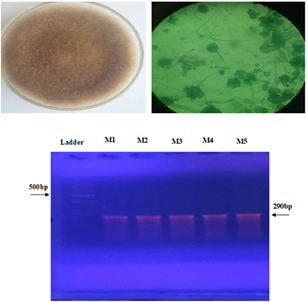
Fig. 1: Identification of M. flavus
(a): Macroscopic characters of M. flavus; (b): Microscopic examination of M. flavus; (c): Amplicons (290 bps) on agarose gel
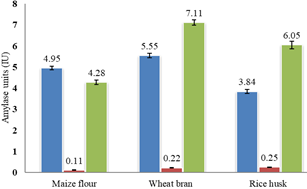
Fig. 2: Amylase activity of M. flavus at different pH
The highest quantity of amylases (87.90 ± 1.30 IU) was found at pH 6 and 3% concentration of rice husk. The lowest yield was 0.11 ± 0.01 at pH 6, 37°C using maize flour as substrate. Amylase production increased with an increase in concentration from 1–5% in the case of wheat bran as substrate. However, for maize flour and rice husks a linear relation between enzyme units and substrate concentration was observed up to 3% after which reverse relation was found (Fig. 4). Statistically significant results were obtained (P < 0.05) showed variations among enzyme units at different culture parameters.
According to the results of safety profile, less than 50% cell survival was detected at and below 31.25 µL/mL while 15.625 µL/mL showed 75.22% cell survival, which was above the cut-off value. Overall, an inverse relation was detected between concentration of amylase and cell survival percentage (Fig. 5).
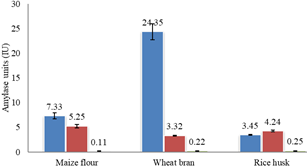
Fig. 3: Amylase activity of M. flavus at different temperatures
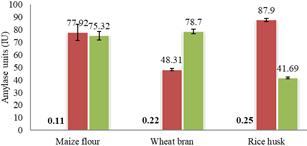
Fig. 4: Amylase activity of M. flavus with varying concentrations of different substrates
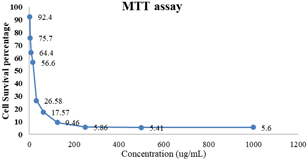
Fig. 5: Safety profile of cell free supernatant of M. flavus using MTT assay
Discussion
M. flavus is an underexplored fungus for amylase production. Its faster growth and enzyme production rates as compared to Aspergillus and Penicillium make it an ideal candidate for industrial enzyme production. In this research, M. flavus was cultivated, and amylase was purified and evaluated for optimal activity. Previously, Hawar (2022) evaluated various Rhizopus and Mucor spp. for extracellular enzymes production including proteases, pectate lyase, ureases, ribonuclease polygalacturonase and amylases. Species from both genera were able to produce amylases in culture medium. In another study, Petruccioli and Federici (1992) evaluated 73 fungal species for extracellular enzymes. The species Malassezia furfur, Saccharomycopsis malanga, M. racemosus and M. ramannianus proved to be a source of amylase, phosphatase, polygalacturonase and urease. Ogundero (1979) found optimal temperature (45–50) and pH (6–7) activities of amylases harvested from cultivation of M. pusillus and some other fungal species. Previous studies indicated the amylase production potential of Mucor spp. with which, the findings of present study are substantiated for amylase produced from indigenous M. flavus isolate.
M. flavus is a saprophytic fungus which commonly found on decaying plant material, animal dung and in environmental reservoirs such as air, water, and soil (Walther et al. 2019). It is a ubiquitous fungus, with at least 74 reported strains globally (Schoch et al. 2020). M. flavus is recognized as a psychrophilic organism capable of growing within temperature range of –2 to 25°C (Danilova et al. 2024). Morphologically, this species is blackish brown with no pigmentation on the reverse side of culture media. M. flavus species have tall, branched sporangiophores and mid-sized sporangia with diameters over 80 μm but less than 200 μm (Walther et al. 2013). The mature sporangium has bulb shaped extracellular vesicle attached to the tip of sporangiophore. These are also known for egg-shaped columella (Hassan and Voigt 2019). It belongs to the order Mucorales which is famous for causing mucormycoses that can be life threatening if left untreated. However, the current study indicates that this species has a favorable safety profile at lower concentration suggesting its potential application in industrial settings.
Several factors affect the production of amylases by microorganisms including temperature, pH, phosphate, carbon and nitrogen source, metal ions, agitation, and metal ions. Although, a few studies have been reported on optimization of cultural conditions for amylase producing Mucor or related species. However, the amylase production by M. flavus is comparable with the well-known amylase producer. Temperature is a critical physical parameter that directly affects metabolism of microorganisms. In contrast to the present study's optimal temperature, Mohapatra et al. (1998) found the highest amylase yield by Mucor spp. at temperature 60°C. In another study, Varalakshmi et al. (2009) revealed that 22°C temperature as optimum for amylase production by A. niger, which also differs from current findings. Similarly, Divakaran et al. (2011) reported Bacillus spp. as amylase producer strains. The highest amylase activity was reported to be 3.64 IU at 37°C temperature. The results contrast with the present study. These variations highlight that the optimum temperature for amylase production varies significantly across the microbial taxa, which can be attributed to unique genetic trait of organism. Additionally, environmental origin, culture conditions, fermentation method affects the amylase activity. The current study is a valuable addition in understanding the less explored M. flavus which produce amylase under mesophilic conditions. In their study, Mohapatra et al. (1998) found amylases producing Mucor spp. and the highest amylase production was recorded at an optimal pH of 5.0. In contrast, Varalakshmi et al. (2009) study reported pH 7.5 as optimum conditions for amylase production by A. niger opposite to results of present study. However, Singh et al. (2014) determined pH 6.0, incubation period of 6 as optimal conditions for amylase production of A. fumigatus as amylase producing strain, which is similar to results of present study. The similarity in findings may be due to metabolic traits which are comparable M. flavus and Aspergillus spp. Both fungi prefer mild acidic conditions and have common enzyme regulation.
Amylase production varies depending upon the substrate used. In an optimization study, Sana (2019) evaluated amylase production by A. flavus against different substrates such as maize sorghum, wheat bran and rice husk. The highest amylase production was recorded at higher concentration of substrates, corroborating the results of present study in which different amylases units were produced by Mucor spp. using different substrates at different concentrations. Similarly, Divakaran et al. (2011) produced different amylase units using different substrates for Bacillus spp. as amylase producer strains. The highest amylase activity was found to be 3.64 IU, suggesting that pure substrate (soluble starch) produce better results as compared to starch from agricultural sources. The results are in contrast with the findings of present study, which indicate that rice husk is the best substrate for amylase yield by M. flavus. The effect of various carbon sources was evaluated by Silva et al. (2005) on amylase production by Rhizomucor spp. belonging to zygomycetes. These were cassava pulp and cassava processing waste, corn bran and corn processing waste and soluble starch. Among these cassava pulp proved to be a good carbon source for amylase production by Rhizomucor spp. (Prongjit et al. 2022). Interestingly, cocultivation approach was used by Vinogradova and Kushnir (2003) and an increased hydrolytic activity was observed by Mucor spp. with Schizophyllum commune. Quantitatively, a significantly higher enzyme yield was reported by other fungal species. Like, Figueira and Hirooka (2000) reported Fusarium moniliforme produced 42.32 IU and A. flavus 4745.54 IU of amylase units. However, Singh et al. (2014) reported 341.7 IU of amylases produced by A. fumigatus under optimized conditions. The contrast result may be due to microorganism’s differences of enzyme pathways. Substrate preferences also vary by species like purified starch is favorable for Bacillus and M. flavus may prefers complex substrate. In contrast to the above findings, in current study Mucor spp. produced 87.90 IU of amylases under selected conditions. Although comparatively lower than some previously reported results, it is still important due to the limited prior data on this species, its enzymatic potential and ability to produce under mesophilic conditions.
According to earlier research, fungal crude extracts include a number of metabolites with a range of biological activities (Majoumouo et al. 2020). Our study revealed that there is an inverse relationship between concentration and cell survival percentage, since as the concentration of the substance decreases the survival rate of the cells increases. This suggests that the substance may be toxic to the cells at higher concentrations, but less harmful at lower concentrations. However, 50% cell survival was cut-off value, and it was achieved at 31.25 µL/mL concentration of cell free supernatant of fungal culture. This concentration dependent decrease in cell survival correlates with another study, which discovered that the fungal extract had strong anticancer efficacy against human lung carcinoma (A549), with hepatocellular carcinoma coming in second (Kalaba et al. 2022). This concentration dependent cytotoxicity of crude extract of M. flavus may pose cytotoxic risk at higher concentration. It suggests further purification of amylase for potential applications.
Conclusion
Mucor spp. has amylase production potential and may be employed for amylase production to meet the industrial demands of amylases in starch-based industries. The study identified M. flavus as a promising candidate for amylase production in starch-based industries. The optimal fermentative parameters for amylase production by M. flavus were 37°C temperature, pH: 6 and rice husk is performing a better substrate than maize flour and wheat bran. The highest amylase activity achieved under these conditions was 87.90 ± 1.30 IU/mL/min. The safety profile assessment using MTT assay showed an inverse relationship between fungal supernatant concentration and cell survival percentage, indicating potential cytotoxicity at higher concentrations. M. flavus demonstrates potential as an efficient amylase producer for starch-based industries due to its fast growth rate and high amylase activity under optimized conditions. However, further research may be needed to address potential safety concerns indicated by the MTT assay results.
Acknowledgements
All authors would like to acknowledge Institute of Microbiology, University of Veterinary and Animal Sciences Lahore, Pakistan for providing research facilities.
Author Contributions
SS planned and designed the experiments. LN conducted the experiments. SG prepared the manuscript and MS format the manuscript.
Conflict of Interest
Authors have no conflict of interest.
Data Availability
Data presented in this study will be available on a fair request to the corresponding author.
Ethics Approval
Not applicable to this paper.
References
Ahmad M, U Isah, I Raubilu, S Muhammad, D Ibrahim (2020). An overview of the enzyme: Amylase and its industrial potential. Bayero J Pure Appl Sci 12:352–358
Alves MH, GM Campos-Takaki, ALF Porto, AI Milanez (2002). Screening of Mucor spp. for the production of amylase, lipase, polygalacturonase, and protease. Braz J Microbiol 33:325–330
Arias MS, CF Cazapal-Monteiro, J Suárez, S Miguélez, I Francisco, FL Arroyon, PMD Gives (2013). Mixed production of filamentous fungal spores for preventing soil-transmitted helminth zoonoses: A preliminary analysis. Biomed Res Intl 2013:1-8
Balkan B, S Balkan, F Ertan (2011). Optimization of parameters for α-amylase production under solid state fermentation by Trichothecium roseum. Rom Biotechnol Lett 16:6591–6600
Behailu A, G Abebe (2018). Isolation, production and characterization of amylase enzyme using the isolate Aspergillus niger FAB-211. Intl J Biotechnol Mol Biol Res 9:7–14
Danilova OA, EA Ianutsevich, GA Kochkina, NV Groza, VM Tereshina (2024). Cold adaptation in a psychrotolerant micromycete Mucor flavus. Microbiology 93:410–420
Dar GH, AN Kamili, R Nazir, SA Bandh, TR Jan, MZ Chishti (2015). Enhanced production of α-amylase by Penicillium chrysogenum in liquid culture by modifying the process parameters. Microb Pathog 88:10–15
Divakaran D, A Chandran, R Pratap (2011). Comparative study on production of α-amylase from Bacillus licheniformis strains. Braz J Microbiol 42:1397–1404
Ekedegba FE, AI Ogbonna, BMW Nwibari, CT Okoye, USA Ogbonna, IA Onyimba (2022) Optimization of amylase production in three fungal species. Asian J Biochem Genet Mol Biol 12:1–9
El-Gendi H, AK Saleh, R Badierah, EM Redwan, YA El-Maradny, EM El-Fakharany (2021). A comprehensive insight into fungal enzymes: structure, classification, and their role in mankind’s challenges. J Fungi 8:1-26
Farooq MA, S Ali, A Hassan, M Tahir, S Mumtaz, S Mumtaz (2021). Biosynthesis and industrial applications of α-amylase: a review. Arch Microbiol 203:1281–1292
Figueira ELZ, EY Hirooka (2000). Culture medium for amylase production by toxigenic fungi. Braz Arch Biol Technol 43:461–467
Gadre RV, GV Driessche, JV Beeumen, MK Bhat (2003). Purification, characterization and mode of action of an endo-polygalacturonase from the psychrophilic fungus Mucor flavus. Enzyme Microb Technol 32:321–330
Gopinath SC, P Anbu, MK Arshad, T Lakshmipriya, CH Voon, U Hashim, SV Chinni (2017). Biotechnological processes in microbial amylase production. Biomed Res Intl 2017:1-9
Goto CE, EP Barbosa, LC Kistner, FG Moreira, V Lenartovicz, RM Peralta (1998). Production of amylase by Aspergillus fumigatus utilizing α-methyl-D-glycoside, a synthetic analogue of maltose, as substrate. FEMS Microbiol Lett 167:139–143
Hamilton LM, CT Kelly, VM Fogarty (1999). Production and properties of the raw starch-digesting α-amylase of Bacillus sp. IMD 435. Proc Biochem 35:27–31
Hassan MIA, K Voigt (2019). Pathogenicity patterns of mucormycosis: epidemiology, interaction with immune cells and virulence factors. Med Mycol 57:45–56
Hawar SN (2022). Extracellular enzyme of endophytic fungi isolated from Ziziphus spina leaves as medicinal plant. Intl J Biomater 2022:1-9
Huitron C, R Perez, AE Sanchez, P Lappe, LR Zavaleta (2007). Agricultural waste from the tequila industry as substrate for the production of commercially important enzymes. J Environ Biol 29:1-5
Kalaba MH, MH Sultan, MA Elbahnasawy, SE El-Didamony, NME Bakary, MH Sharaf (2022). First report on isolation of Mucor bainieri from honeybees, Apis mellifera: characterization and biological activities. Biotechnol Rep 36:770
Khalid M, WJ Yang, N Kishwar, ZI Rajput, AG Arijo (2006). Study of cellulolytic soil fungi and two nova species and new medium. J Zhej Univ Sci B 7:459–466
Lau A, S Chen, T Sorrell, D Carter, R Malik, P Martin, C Halliday (2007). Development and clinical application of a panfungal PCR assay to detect and identify fungal DNA in tissue specimens. J Clin Microbiol 45:380–385
Lübeck M, PS Lübeck (2022). Fungal cell factories for efficient and sustainable production of proteins and peptides. Microorganisms 10:1-24
Majoumouo MS, MB Tincho, RMK Toghueo, T Morris, DC Hiss, FF Boyom, C Mandal (2020). Cytotoxicity potential of endophytic fungi extracts from Terminalia catappa against human cervical cancer cells. J Toxicol 2020:1-9
Miller GL (1959). Use of dinitrosalicylic acid reagent for determination of reducing sugar. Anal Chem 31:426–428
Mohapatra BR, UC Banerjee, M Bapuji (1998). Characterization of a fungal amylase from Mucor sp. associated with the marine sponge Spirastrella spp. J Biotechnol 60:113–117
Morin-Sardin S, P Nodet, E Coton, J Jany (2017). Mucor: A Janus-faced fungal genus with human health impact and industrial applications. Fung Biol Rev 31:12–32
Ogundero VW (1979). Amylase and cellulase activities of thermophilic fungi causing deterioration of tobacco products in Nigeria. Mycopathologia 69:131–135
Petruccioli M, RG Federici (1992). A note on the production of extracellular hydrolytic enzymes by yeast-like fungi and related microorganisms. Ann Microbiol Enzymol 42:81–86
Prongjit D, H Lekakarn, B Bunterngsook, K Aiewviriyasakul, W Sritusnee, V Champreda (2022). Functional characterization of recombinant raw starch degrading α-amylase from Roseateles terrae HL11 and its application on cassava pulp saccharification. Catalysts 12:1-19
Riddle RW (1950). Permanent stained mycological preparation obtained by slide culture. Mycologia 42:265–270
Sahu PK, R Singh, M Shrivastava, S Darjee, V Mageshwaran, L Phurailtpam, B Rohatgi (2024). Microbial production of α-amylase from agro-waste: An approach towards biorefinery and bio-economy. Ener Nexus 14:100293
Sana S (2019). Enzymatic and aflatoxin production potential of Aspergillus flavus. Pak J Agric Sci 56:747–752
Schoch CL, S Ciufo, M Domrachev, CL Hotton, S Kannan, R Khovanskaya, D Leipe, R McVeigh, K O’Neill, B Robbertse, S Sharma, V Soussov, JP Sullivan, L Sun, S Turner, I Karsch-Mizrachi (2020). NCBI Taxonomy: A comprehensive update on curation, resources and tools. Database 2020:1-21. Available at: https://academic.oup.com/database/article/doi/10.1093/database/baaa062/5901156
Sethi BK, A Jana, PK Nanda, PK DasMohapatra, SL Sahoo, JK Patra (2016). Production of α-amylase by Aspergillus terreus NCFT 4269.10 using pearl millet and its structural characterization. Front Plant Sci 7:1-13
Sharif S, AH Shah, A Fariq, S Jannat, S Rasheed, A Yasmin (2023). Optimization of amylase production using response surface methodology from newly isolated thermophilic bacteria. Heliyon 9:12901
Silva TM, D Attili-Angelis, AFA Carvalho, RD Silva, M Boscolo, E Gomes (2005). Production of saccharogenic and dextrinogenic amylases by Rhizomucor pusillus A 13.36. J Microbiol 43:561–568
Singh S, S Singh, V Bali, L Sharma, J Mangla (2014). Production of fungal amylases using cheap, readily available agri-residues, for potential application in textile industry. Biomed Res Intl 2014:1-9
Stergiou PY, A Foukis, H Sklivaniti, P Zacharaki, M Papagianni, E Papamichael (2012). Experimental investigation and optimization of process variables affecting the production of extracellular lipase by Kluyveromyces marxianus IFO 0288. Appl Biochem Biotechnol 168:672–680
Sundström H (2007). Analytical tools for monitoring and control of fermentation processes. Doctoral Dissertation, Royal Institute of Technology, Stockholm, Sweden. Available at: http://www.diva-portal.org/smash/record.jsf?pid=diva2:12708
Sunitha VH, A Ramesha, J Savitha, C Srinivas (2012). Amylase production by endophytic fungi Cylindrocephalum sp. isolated from medicinal plant Alpinia calcarata (Haw.) Roscoe. Braz J Microbiol 43:1213-1221
Varalakshmi KN, BS Kumudini, BN Nandini, J Solomon, R Suhas, B Mahesh, AP Kavitha (2009). Production and characterization of α-amylase from Aspergillus niger JGI 24 isolated in Bangalore. Pol J Microbiol 58:29–36
Vinogradova SP, SN Kushnir (2003). Biosynthesis of hydrolytic enzymes during cocultivation of macro- and mucoromycetes. Appl Biochem Microbiol 39:573–575
Walther G, J Pawłowska, A Alastruey-Izquierdo, M Wrzosek, JL Rodriguez-Tudela, S Dolatabadi, A Chakrabarti, GSD Hoog (2013). DNA barcoding in Mucorales: An inventory of biodiversity. Persoonia 30:11–47
Walther N, N Wagner, N Kurzai (2019). Updates on the taxonomy of Mucorales with an emphasis on clinically important taxa. J Fungi 5:106
Xia W, K Zhang, L Su, J Wu (2021). Microbial starch debranching enzymes: Developments and applications. Biotechnol Adv 50:107786
Yadav V, S Biswas, A Goyal (2024). Enzymes of industrial significance and their applications. In: Industrial Microbiology and Biotechnology, pp:277–307. Verma P (Ed.). Springer Nature, Singapore
Zaferanloo B, S Bhattacharjee, NM Ghorbani, PJ Mahon, EA Palombo (2014). Amylase production by Preussia minima. BMC Microbiol 14:55
Zhu SC, JX Tang, XX Zeng, BJ Wei, SD Yang, B Huang (2015). Isolation of Mucor species. J Cent South Univ 22:88–94
Online : 1814-9596
Print : 1560-8530