


Indexing


Journal Cover

Phytochemical Analysis and Biological Effects of Bitter Gourd (Momordica charantia) Extracts Cultivated in Tharparkar, Pakistan
Abstract
This research explored the nutritional composition, phytochemical content, and biological activities of various anatomical parts of Momordica charantia L. (bitter gourd). Roots exhibited the highest ash (13.07%), while fruits contained the highest moisture (30.38%) levels. Phytochemicals were most abundant in the leaves, followed by seeds, roots and fruits. Leaves showed the highest phenolics (25.54 ± 1.3 mg/g DW), flavonoids (1.968 ± 0.07 mg/g DW) and alkaloids (1.261 ± 0.08 mg/g DW) content. Notable antibacterial effects were observed, particularly the aqueous leaves extract against Escherichia coli (11 mm inhibition), and methanolic fruits extract against Klebsiella pneumoniae. Methanol seed extracts demonstrated superior antioxidant activity (1.63 mM AAE/mL). Aqueous seeds extract also enhanced Spinacia oleracea L. (spinach) seeds germination (91%), while mixed solvent extracts showed inhibitory potential. Additionally, methanol roots extract achieved 90% insecticidal activity against Tribolium castaneum (red flour beetle) within 72 h. This study broadens the assessment of multiple plant parts from an underexplored area, offering new insights into the M. charantia as a multipurpose medicinal and ecological resource. These findings underscore multifaceted bioefficacy of M. charantia, supporting its future use in pharmaceutical and agricultural applications.
Keywords: Phytochemicals; Biological activity; Aridity; Mixed solvent extracts; Medicinal properties
Phytochemical Analysis and Biological Effects of Bitter Gourd (Momordica charantia) Extracts Cultivated in Tharparkar, Pakistan
Quratulain Khuhro1,2*, Naseem Aslam Channa2, Safdar Ali Amur3, Najaf Ali Soomro2, Aiman Amur4, Muzna Paras2 and Lubna Noorani5
1Government Muslim Science Degree College, Hyderabad, Sindh, Pakistan
2Institute of Biochemistry, Faculty of Natural Sciences, University of Sindh, Jamshoro, Sindh 76080, Pakistan
3College of Life Sciences & Technology and State Key Resource Laboratories, Beijing University of Chemical Technology, 100029 Beijing, China
4Department of Zoology, Government College University, Hyderabad, Sindh, Pakistan
5Department of Science and Technical Education, Faculty of Education, University of Sindh, Jamshoro, Pakistan
*For correspondence: khuhro4534@gmail.com
Received 30 June 2025; Accepted 02 August 2025; Published online 22 September 2025
Editor: Abdul Wahid
Abstract
This research explored the nutritional composition, phytochemical content, and biological activities of various anatomical parts of Momordica charantia L. (bitter gourd). Roots exhibited the highest ash (13.07%), while fruits contained the highest moisture (30.38%) levels. Phytochemicals were most abundant in the leaves, followed by seeds, roots and fruits. Leaves showed the highest phenolics (25.54 ± 1.3 mg/g DW), flavonoids (1.968 ± 0.07 mg/g DW) and alkaloids (1.261 ± 0.08 mg/g DW) content. Notable antibacterial effects were observed, particularly the aqueous leaves extract against Escherichia coli (11 mm inhibition), and methanolic fruits extract against Klebsiella pneumoniae. Methanol seed extracts demonstrated superior antioxidant activity (1.63 mM AAE/mL). Aqueous seeds extract also enhanced Spinacia oleracea L. (spinach) seeds germination (91%), while mixed solvent extracts showed inhibitory potential. Additionally, methanol roots extract achieved 90% insecticidal activity against Tribolium castaneum (red flour beetle) within 72 h. This study broadens the assessment of multiple plant parts from an underexplored area, offering new insights into the M. charantia as a multipurpose medicinal and ecological resource. These findings underscore multifaceted bioefficacy of M. charantia, supporting its future use in pharmaceutical and agricultural applications.
Keywords: Phytochemicals; Biological activity; Aridity; Mixed solvent extracts; Medicinal properties
Introduction
Residents of remote Pakistani regions primarily rely on local medicinal flora for healthcare. The therapeutic value of these plants stems from their phytochemical constituents, so, the quality of certain chemicals could be altered from region to region due to environmental factors (Bibi et al. 2014). Momordica charantia L. belongs to the Cucurbitaceae family, thrives in tropical to temperate zones and is distinguished by its characteristic bitter flavor (Megala et al. 2019). The fruit and seeds of M. charantia have long been utilized in traditional medicine for managing conditions such as diabetes, febrile illnesses accompanied by excessive thirst, heat-related disorders, dysentery, inflammatory skin conditions like erysipelas and carbuncles, as well as serious ailments including cancer, high cholesterol, cardiovascular disorders, and various immune-related diseases (Chahar and Sharma 2017; Torre et al. 2020). It contains charantin with hypoglycemic properties (Xu et al. 2022).
Natural antioxidants such as xanthophylls, ascorbic acid, tocopherols, and various phenolic constituents have been detected in M. charantia (Bhuiyan et al. 2020; Mukherjee and Karati 2023; Singh et al. 2023). M. charantia also had demonstrated antimicrobial, antiviral, antihepatotoxic, antiulcerogenic activities, antiviral therapy, carminative and antacid properties. These effects are associated with a diverse spectrum of bioactive phytochemicals such as polyphenolic compounds, bitter chemicals, isoprenoids, benzopyrones, anthraquinone derivatives, nitrogen-containing bases, enzyme-rich proteins, cardioactive constituents, pigment molecules, phytosterols, and astringent agents (Torre et al. 2020; As’ari et al. 2021; Singh et al. 2023). Research has shown that M. charantia can inhibit tumor growth in human nasopharyngeal carcinoma cells in both in vitro and in vivo models (Jia et al. 2017). Different climatic regions may impact on the quality of nutritional and certain bioactive constituents in M. charantia. Likewise, the polar and nonpolar extractant solvents may give off yield variations of same phytochemicals in the same sample (Dhanani et al. 2017).
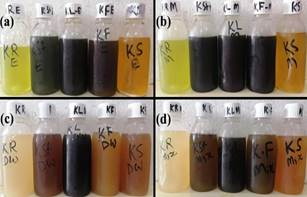
Fig. 1: Extract from different parts of M. charantia, (a) ethanol, (b) methanol, (c) de-ionized water and (d) mixed solvent extract
For this research, the study area was Kaloi administration of district Tharparkar, Sindh, Pakistan, which is a desert with very hot climate in summer, and receives monsoon in June-August. People of this region chiefly grow vegetables and also use them as major source of food and traditional medicine. A number of studies had reported the high demand of plant derived bioactive phytochemicals as a versatile source of medicine across the globe (Babar et al. 2020). Hence, the information on phytochemicals and a variety of biological applications of medicinal plants such as M. charantia is very essential for the consumers. Moreover, given the limited scientific exploration in Kaloi, Tharparkar, Sindh, this biochemical analysis of M. charantia contributes valuable baseline data and will set a reference for future studies. The objectives of this research were to explore the nutritional composition, phytochemical content, and biological activities of various anatomical parts of M. charantia.
Materials and Methods
Collection of plant material
M. charantia was harvested from agricultural fields of Kaloi, Tharparkar, Sindh, Pakistan (24.6598° N, 69.2937° E) and taxonomic verification was done by the botanist of Herbarium of Institute of Plant Sciences, University of Sindh (Voucher specimen: QK01/2023). The plant material was transported to Institute of Biochemistry, University of Sindh, Jamshoro. The plant parts were parted and cleaned with deionized water and dried under shade at 37–40°C until a constant weight was achieved. Moisture and ash contents were estimated according to AOC methods (Mugheri et al. 2023), using the formulas given below:


Sample preparation
Separated parts of M. charantia were ground into a fine powder using an electric mechanical grinder (Silver Crest), sieved, and stored in amber-colored jars for further analysis. Powdered material (10 g/50 mL) of each part was macerated (Abubakar and Haque 2020) in ethanol, methanol, aqueous and a mixed solvent (ratio: 40:10:50) for 48 h at room temperature. The macerated samples were passed through Whatman No. 1 filter paper to obtain clear filtrates
following the centrifugation using XZ-6 Benchtop Centrifuge machine at 6000 rpm for 10 min. The supernatants were preserved in plastic bottles (Fig. 1) and stored at -20ºC for further analysis.
Phytochemicals analysis
The qualitative screening of phytochemicals such as alkaloids, phenolics, tannins, flavonoids, saponins, triterpenoids, glycosides, amino acids, carbohydrates and vitamin C was performed according to reported standard methods (Mugheri et al. 2023). Total phenolics content was estimated using Folin-Ciocalteu reagent method and standard calibration curve of gallic acid (GA) (y = 0.0145x + 0.0009; R² = 0.9925), the results were presented in mg GA equivalent/g dry weight (DW) (Sulaiman et al. 2017; Martins et al. 2021; Pielorz et al. 2023). Total flavonoids content was measured through the aluminum chloride (AlCl3), using calibration curve (y = 0.0193x + 0.0261; R² = 0.9933) of quercetin (QC) and the results were expressed as mg QC equivalent/g DW (Damodar 2012; Pielorz et al. 2023). Total alkaloids were estimated using Dragendorff’s reagent method, and standard calibration curve (y = 0.019x + 0.013; R² = 0.9964) of bismuth nitrate, finally the results were presented in mg bismuth nitrate equivalent/g DW (Sreevidya and Mehrotra 2003). Total tannins content was estimated through the Prussian modified method, and standard calibration curve (y = 0.0191x + 0.0357; R² = 0.9935) of tannic acid (TA), so, the content was shown in mg TA equivalent/g DW (Graham 1992; Khalid et al. 2018). Total carbohydrates were estimated using anthrone reagent method and standard calibration curve (y = 0.0151x + 0.0002; R² = 0.9961) of D-glucose and results are given as mg glucose equivalent/g DW (Mugheri et al. 2023). Total protein content was investigated through the Lowry’s method and standard calibration curve (y = 0.0154x + 0.0029; R² = 0.9965) of bovine serum albumin (BSA) and results were expressed as mg BSA equivalent/g DW (Waterborg and Matthews 1994).
Antibacterial activity
Extracts obtained from various parts of M. charantia were evaluated for their antibacterial potential against Klebsiella pneumoniae and Escherichia coli, through Luria-Bertani (LB) agar well diffusion method (Lanjwani et al. 2018; Amur et al. 2023). A 100 μL of freshly grown bacteria cultures were gently spread over the prelabeled LB agar plates, after a while, 6 mm holes were made using sterilized metal cork borer. For the screening of antibacterial effects, 100 μL of plant extract was added to pre-labeled wells, for comparison, a negative control of solvent-only was also added. The inoculated plates were incubated at 37°C. After 24 h, growth inhibition zones were measured (in mm) using a Vernier caliper in triplicate. The results are shown as mean ± standard deviation (SD).
Antioxidant activity
The antioxidant capacity of different extracts from various parts of M. charantia was assessed using ferric reducing antioxidant power (FRAP) method [ferric tripyridyl triazine (Fe III TPTZ) reduction to ferrous] as reported earlier (Benzie and Strain 1996, 1999; Pielorz et al. 2023). FRAP reagent i.e., 300 mM of acetate buffer (A), 10 mM of 2,4,6-tripyridyl-s- triazine (B) and 20 of mM FeCl3.6H2O (C) was prepared. Thereafter, FRAP working reagent was formulated by combining components A, B, and C in a 10:1:1 ratio and heated in water bath at 37ºC. Samples were assayed in test tubes by taking 100 µL of 1/10 diluted extracts mixed with 3 mL of FRAP reagent, incubated for 30 min in the dark at room temperature. Ascorbic acid (A.A) was used as positive control and results were compared to standard curve of AA (0.1–1.6 mM concentrations), yielding a regression linearity (y = 1.2025 x + 0.0041; R² = 0.9989) (Fig. 2). Absorbance was recorded at 593 nm and 100 µL of solvent a blank solution containing FRAP reagent was taken. The antioxidant value of extracts was expressed as mM AA equivalents.
Allelopathic effect
The allelopathic effect of extracts from different parts of M. charantia was investigated with the seed germination of Spinacia oleracea seeds, as outlined in previous studies (Hadi et al. 2016; Wang et al. 2019) with some changes. To eliminate surface contaminants, 1 kg of S. oleracea seeds were treated with a 1% (v/v) sodium hypochlorite (NaClO) solution for 15 min, followed by thorough rinsing with distilled water (Wang et al. 2019). Extract treatment of 4 healthy seeds for each extract was done by soaking into covered plastic containers (2 × 2-inch), filled with 2 mL of different extracts for 3 hours. For comparative analysis, seeds treatment was also performed in respective extractants i.e., ethanol, methanol, distilled water and mixed solvent. Tap water served as positive control. All these assays were performed in triplicate. Treated seeds were sowed into seeds germinating tray containing chopped coco peat to maintain a moistened environment for seed germination and to support seedling growth (Fig. 3). Afterwards, a 5 mL of respective extract was applied to the sowed seeds; in well labeled germination tray; thus, it was wrapped with a plastic film to limit the sample evaporation and incubated at ambient temperature with a 12 h light and dark cycle for 3 days. Seed germination was monitored for each extract, and the seed germination rate (SGR) was determined using the following formula:
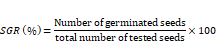
Additionally, each germinating seed received 1 mL of the corresponding extract twice daily for a period of 7 days, hence the impact on seedling growth was also monitored and height (in cm) of all grown seedlings was measured in triplicate using an Electronic digital Vernier Caliper.
Insecticidal activity
Insecticidal activity of M. charantia extracts was evaluated against Tribolium castaneum following previously established protocols (Kanwal et al. 2021) with some modifications. Approximately 500 insects were collected from wheat storage facilities (Godams) located in Hyderabad, Sindh, Pakistan. Adult beetles were reared in plastic containers under controlled conditions, containing feed mixture of crumpled wheat grains, flour and yeast (10:5:2 w/w), at room temperature and ~65─75 ± 5% relative humidity (Fig. 4a and b). Insecticidal activity of extracts was tested with one-week old insects through the diet incorporation technique (Kanwal et al. 2021). A 5 g feed was soaked in 5 mL of each respective extract for 2 min, filtered and dried (Fig. 4) to remove excess extract. Next, extract treated feed was poured into plastic containers, and 10 insects were shifted to each container (Fig. 4). For comparison, negative controls corresponding to each solvent—ethanol, methanol, water, and the mixed solvent—were included in the study. All experiments were conducted in triplicate. Mortality rates were calculated at 12, 24, 48 and 72 hours, using below mentioned formula:

Data analysis
Data were entered in Microsoft Excel (Professional 2016, version 16.0.13901.20400) sheets, and statistical analysis was performed using the Excel Data Analysis Toolpak. Design of the experiments was performed in three replications. Data of ash and moisture contents, seed germination rates, and insect mortality rates were presented as percentage (%), while the quantitative results of phytochemicals were presented as mean ± SD.
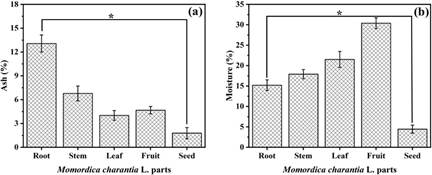
Fig. 2: (a) Ash and (b) moisture content of different parts of M. charantia. *Shows ANOVA P value < 0.001
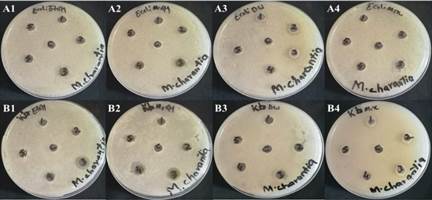
Fig. 3: Antibacterial activity of different parts of M. charantia. A plates contained E. coli and B plates contained K. pneumoniae strains. A1/B1 = ethanol extract; A2/B2 = methanol extract; A3/B3 = de-ionized water extract; A4/B4 = mixed solvent extract. 1 = Roots extract; 2 = Stems extract; 3 = Leaves extract; 4 = Fruits extract; 5 = Seeds extract and C = Blank (solvent)
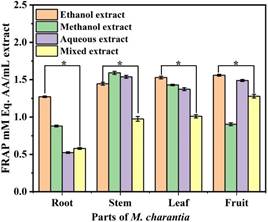
Fig. 4: Antioxidant potential of various parts of M. charantia. *Indicates statistical significance with P value < 0.001 (ANOVA)
Ash and moisture
In the current investigation, the roots of M. charantia showed the highest ash content followed by stems, fruits, and leaves (Fig. 2a), while the fruits had significantly higher moisture content (4.67%), followed by leaves and stems, while seeds had the lowest values for both ash and moisture (Fig. 2b).
Phytochemicals
Qualitative screening of phytochemicals from ethanol, methanol, aqueous, and mixed solvent extracts from various parts of M. charantia revealed that seeds were richest in phytochemicals, followed by roots, fruits and stems. Leaves showed comparatively fewer phytochemicals (Table 1). The results of quantitative phytochemical analysis are shown in Table 2. A highest phenolic content was observed in leaves extracts followed by seeds, stems, and fruits, particularly in aqueous, mixed, and ethanol-based extractions. Tannins were most concentrated in seeds extracts with decreasing levels in fruits, leaves, and stems, mainly from methanol and ethanol extracts. Flavonoid content peaked in leaves, followed by seeds, stems, and fruits, and was highest in methanol and ethanol extractions. The highest alkaloid levels were found in fruits followed by leaves and seeds, with methanol and mixed solvents yielding better results. Protein content was highest in fruits, then in stems and leaves, with methanol as the most effective solvent. Carbohydrate levels were highest in seeds followed by leaves and fruits, especially in methanol and mixed-solvent extracts. Overall, leaves and seeds showed the richest phytochemical profiles across most solvent systems, while roots consistently showed the lowest levels (Table 2).
Antibacterial activity
Table 1: Screening of phytochemicals in different parts of M. charantia
|
Phytochemicals |
Roots extracts |
Stems extracts |
Leaves extracts |
Fruits extracts |
Seeds extracts |
|||||||||||||||
|
E |
M |
A |
X |
E |
M |
A |
X |
E |
M |
A |
X |
E |
M |
A |
X |
E |
M |
A |
X |
|
|
Alkaloids Mayer’s Test |
++ |
++ |
+ |
- |
- |
+ |
- |
- |
- |
+ |
+ |
- |
+ |
+ |
+ |
+ |
+++ |
+++ |
+ |
- |
|
Wagner’s Test |
- |
- |
- |
- |
- |
- |
+ |
+ |
- |
- |
+++ |
+ |
- |
- |
++ |
+ |
- |
- |
+ |
- |
|
Hager’s Test |
+ |
+ |
+ |
+ |
+ |
+ |
+ |
+ |
+ |
+ |
- |
+ |
+ |
+ |
+ |
+ |
+ |
++ |
+ |
+ |
|
Phenolics FeCl Test |
+ |
+ |
+ |
+ |
++ |
++ |
++ |
++ |
++ |
++ |
+++ |
++ |
++ |
++ |
+ |
++ |
+ |
+ |
++ |
++ |
|
Tannins Lead Acetate Test |
- |
+ |
++ |
+ |
+ |
+ |
++ |
+++ |
+ |
+ |
+++ |
+++ |
+ |
+ |
+++ |
+++ |
+ |
+ |
++ |
++ |
|
Flavonoids NaOH Test |
+ |
+ |
+ |
+ |
+ |
+ |
++ |
++ |
++ |
+++ |
+++ |
++ |
++ |
++ |
++ |
++ |
++ |
+ |
++ |
++ |
|
Shinoda Test |
- |
- |
- |
- |
++ |
- |
- |
- |
+ |
- |
++ |
++ |
+ |
- |
+ |
+ |
- |
- |
- |
- |
|
Saponins Foam Test |
++ |
+++ |
++ |
+ |
+++ |
++ |
++ |
+ |
++ |
+ |
++ |
+ |
++ |
+++ |
+++ |
+++ |
+++ |
+++ |
+++ |
+++ |
|
Steroids* and Triterpenoids Libermann-Burchard |
++ |
++ |
+* |
+ |
++ |
++ |
++ |
+ |
++* |
++ |
+++ |
++* |
++* |
++* |
++ |
+ |
++* |
++* |
++ |
++* |
|
Salkowski Test |
++ |
+++ |
- |
+* |
- |
- |
- |
+* |
- |
- |
- |
+ |
- |
- |
- |
+ |
+++ |
+++ |
- |
+* |
|
Glycosides Legal’s Test |
+ |
- |
- |
- |
- |
- |
- |
- |
- |
- |
+++ |
+++ |
- |
- |
- |
- |
++ |
- |
- |
- |
|
Protein Biuret Test |
- |
- |
+ |
+ |
- |
- |
+ |
+ |
- |
- |
+ |
+ |
- |
- |
+ |
+ |
- |
- |
+ |
+ |
|
Amino acid Ninhydrin Test |
++ |
++ |
++ |
+ |
+++ |
+++ |
+++ |
+++ |
+ |
- |
++ |
+ |
+++ |
+ |
+++ |
++ |
- |
+++ |
+++ |
+++ |
|
Carbohydrates Molisch’s Test |
+ |
+ |
+ |
+ |
+ |
+ |
+ |
+ |
+ |
+ |
+ |
+ |
+ |
+ |
+ |
+ |
+ |
+ |
+ |
+ |
|
Benedict’s Test |
+ |
- |
- |
- |
+ |
+ |
+ |
+ |
+ |
+ |
+ |
+ |
+ |
+ |
- |
+ |
+ |
+ |
- |
+ |
|
Iodine Test |
- |
*** |
- |
* |
- |
- |
* |
- |
- |
- |
* |
* |
- |
- |
- |
** |
** |
** |
- |
** |
|
Vitamin C DNPH Test |
+++ |
- |
+++ |
+ |
- |
- |
- |
- |
- |
- |
- |
- |
- |
- |
- |
- |
- |
- |
- |
++ |
E: ethanol, M: methanol, A: aqueous, X: mixed solvent extracts. (+++) appreciable amount; (++) moderate amount; (+) trace amount, (-) completely absent
Table 2: Quantitative assessment of phytochemical constituents across various parts of M. charantia
|
Phyto-chemicals (mg/g DW) |
Extracts |
Roots |
Stems |
Leaves |
Fruits |
Seeds |
|
Carbohydrates |
Ethanol |
0.009 ± 0.01b,c,d,e |
0.089 ± 0.02a,c,d |
0.124 ± 0.05a,b* |
0.121 ± 0.03a,b,e |
0.107 ± 0.04a,d |
|
Methanol |
0.022 ± 0.03b,c,d,e |
0.095 ± 0.02a,c,d,e,# |
0.127 ± 0.05a,b,d,e |
0.121 ± 0.07a,b,c, e |
0.131 ± 0.03a,b,c,d*# |
|
|
Aqueous |
0.006 ± 0.05b,c,d,e |
0.051 ± 0.01a,c,d,e |
0.024 ± 0.002a,b,d,e |
0.093 ± 0.01a,b,c,e* |
0.069 ± 0.02a,b,c,d |
|
|
Mixed |
0.019 ± 0.07b,c,d,e |
0.087 ± 0.01a,c,d |
0.128 ± 0.002a,b*# |
0.127 ± 0.01a,b# |
0.110 ± 0.02a |
|
|
Proteins |
Ethanol |
0.097 ± 0.05b,c,d,e |
1.067 ± 0.02a,c,d,e*# |
0.667 ± 0.02a,b,d |
0.522 ± 0.04a,b,c,e |
0.632 ± 0.02a,b,d# |
|
Methanol |
0.102 ± 0.06b,c,d,e |
0.669 ± 0.03a,d |
0.712 ± 0.05a,d |
1.091 ± 0.103a,b,c,e*# |
0.617 ± 0.02d |
|
|
Aqueous |
0.142 ± 0.06b,c,d,e # |
0.587 ± 0.03a,c |
0.803 ± 0.04a,b,e,# |
0.933 ± 0.241a* |
0.609 ± 0.04a,c |
|
|
Mixed |
0.140 ± 0.04b,c,d,e |
0.453 ± 0.02a,e |
0.468 ± 0.02a |
0.488 ± 0.03a |
0.505 ± 0.02a,b* |
|
|
Phenolics |
Ethanol |
2.187 ± 0.13b,c,d,e# |
13.17 ± 0.74a,c |
18.99 ± 0.5a,b,d,e* |
12.46 ± 0.71a,c,e |
15.23 ± 0.5a,c,d |
|
Methanol |
1.197 ± 0.16b,c,d,e |
7.355 ± 0.64a,e |
7.986 ± 0.63a,e |
6.065 ± 0.83a,e |
13.92 ± 0.51a,b,c,d* |
|
|
Aqueous |
1.243 ± 0.21b,c,d,e |
21.14 ± 0.64a,c,d# |
25.55 ± 1.31a,b,d*# |
15.97 ± 1.03a,b,c,e# |
22.44 ± 0.98a,b,d# |
|
|
Mixed |
1.153 ± 0.02b,c,d,e |
12.47 ± 2.72a,c |
20.07 ± 0.31a,b,d,e* |
8.920 ± 0.22a,c,e |
7.684 ± 0.14a,c,d |
|
|
Tannins |
Ethanol |
0.369 ± 0.02b,c,d,e |
3.411 ± 0.09a,c,d,e# |
4.235 ± 0.13a,b,e*# |
3.799 ± 0.11a,b |
2.701 ± 0.07a,b,c |
|
Methanol |
1.247 ± 0.02b,c,d,e# |
2.969 ± 0.08a,c,d,e |
4.169 ± 0.08a,b,d,e |
5.661 ± 0.02a,b,c,e # |
6.167 ± 0.03a,b,c,d*# |
|
|
Aqueous |
0.199 ± 0.07b,c,d,e |
1.554 ± 0.02a,c,d,e |
2.389 ± 0.02a,b,d* |
1.851 ± 0.05a,b,c |
2.156 ± 0.20a,b |
|
|
Mixed |
0.348 ± 0.02b,c,d,e |
3.357 ± 0.08a |
3.510 ± 0.03a* |
3.499 ± 0.04a |
3.366 ± 0.16a |
|
|
Alkaloids |
Ethanol |
0.114 ± 0.08b,c,d,e |
0.508 ± 0.07a,d,e |
0.577 ± 0.02a,e |
1.053 ± 0.21a,b* |
0.755 ± 0.05a,b,c |
|
Methanol |
0.186 ± 0.04c,d # |
1.047 ± 0.41 |
0.731 ± 0.07a |
1.450 ± 0.45a* |
1.238 ± 0.48 |
|
|
Aqueous |
0.148 ± 0.02b,c,d,e |
0.879 ± 0.06a,c* |
0.671 ± 0.02a,b |
0.769 ± 0.06a |
0.738 ± 0.08a |
|
|
Mixed |
0.151 ± 0.07b,c,d,e |
0.594 ± 0.025a,c,d,e |
1.261 ± 0.09a,b*# |
1.071 ± 0.02a,b |
1.189 ± 0.068a,b |
|
|
Flavonoids |
Ethanol |
0.106 ± 0.01b,c,d,e # |
0.427 ± 0.02a,c,d,e |
0.937 ± 0.13a,b,d,e |
0.202 ± 0.03a,b,c,e |
1.622 ± 0.03a,b,c,d*# |
|
Methanol |
0.076 ± 0.09b,c,d,e |
0.622 ± 0.15a,c |
1.969 ± 0.06a,b,d,e*# |
0.225 ± 0.02a,c,e |
0.522 ± 0.02a,c,d |
|
|
Aqueous |
0.022 ± 0.01b,c,d,e |
0.344 ± 0.08a |
0.442 ± 0.03a,e* |
0.323 ± 0.03a# |
0.271 ± 0.02a,c |
|
|
Mixed |
0.022 ± 0.01b,c,d,e |
0.357 ± 0.02a,d,e |
0.438 ± 0.05a,d,e* |
0.192 ± 0.02a,b,c,e |
0.136 ± 0.02a,b,c,d |
g DW of roots was 2 g; and 10 g for other parts. The signs of a, b, c, d, e shows the t-test (P value < 0.01) statistical comparison of phytochemicals retained by roots, stems, leaves, fruits, and seeds, respectively, with other parts accordingly. The *shows the significant (P value < 0.01) level of ANOVA analysis among all parts. The #shows the significant (P value < 0.01) level of ANOVA analysis among all solvent extracts
Table 3: Mortality percentage of T. castaneum exposed to various solvent extracts of different parts of M. charantia
|
Parts of plant |
Extracts |
Mortality rate (%) noted at different time intervals |
|||
|
12 h |
24 h |
48 h |
72 h |
||
|
Ethanol |
- |
10 |
40 |
70 |
|
|
Methanol |
- |
30 |
60 |
90 |
|
|
Aqueous |
- |
- |
10 |
30 |
|
|
Mixed |
- |
10 |
40 |
60 |
|
|
Stems |
Ethanol |
- |
- |
20 |
70 |
|
Methanol |
- |
- |
30 |
60 |
|
|
Aqueous |
- |
- |
10 |
30 |
|
|
Mixed |
- |
- |
10 |
40 |
|
|
Leaves |
Ethanol |
- |
20 |
40 |
80 |
|
Methanol |
- |
10 |
30 |
70 |
|
|
Aqueous |
- |
10 |
20 |
40 |
|
|
Mixed |
- |
10 |
30 |
60 |
|
|
Fruits |
Ethanol |
- |
20 |
40 |
60 |
|
Methanol |
- |
30 |
60 |
70 |
|
|
Aqueous |
- |
- |
20 |
40 |
|
|
Mixed |
- |
- |
10 |
50 |
|
|
Seeds |
Ethanol |
- |
- |
10 |
30 |
|
Methanol |
- |
- |
20 |
40 |
|
|
Aqueous |
- |
- |
- |
- |
|
|
Mixed |
- |
- |
- |
20 |
|
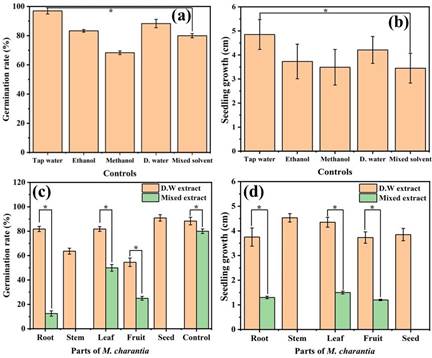
Fig. 5: (a) S. oleracea seeds germination, (b) seedling growth with control solvents, (c) S. oleracea seeds germination and (d) seedling growth with aqueous and mixed solvent extracts of different parts of M. charantia, *shows ANOVA and T-test P value < 0.05, for controls and plant extracts, respectively
Antibacterial assays demonstrated that aqueous extracts of leaves, stems, and roots inhibited E. coli growth, with the leaves extract showing the strongest effect in terms of formation of inhibition zone. In the case of K. pneumoniae, methanolic fruits extract and the mixed solvent stems extract also showed 8 ± 0.2 mm and 7 ± 0.3 mm inhibition zones, respectively. These results suggest that the leaves and fruits parts of M. charantia, particularly when extracted with methanol or water, possess promising antibacterial activity (Fig. 3).
Antioxidant activity
The methanolic seeds extract exhibited the highest FRAP value (1.63 ± 0.02), followed by aqueous, mixed solvent and ethanol extracts of the same part. As for roots extracts, the highest FRAP value was observed in ethanol, followed by methanol and mixed solvents, though still lower than the values obtained from other plant parts. Notably, stems, leaves and fruits extracts also showed strong FRAP values, with methanol (1.592 ± 0.06), ethanol (1.53 ± 0.03) and aqueous (1.49 ± 0.05) performing alike. In contrast, the lowest antioxidant activity was recorded in the aqueous extract of roots (Fig. 4). Overall, methanol proved to be the most effective solvent, and seeds and leaves exhibited the strongest antioxidant activity.
Allelopathic effect
Among control solvents, tap water showed the highest germination rate (98%) of S. oleracea seeds followed by distilled water, while ethanol, mixed solvent, and methanol resulted in reduced germination (Fig. 5a). Tap water also promoted maximum seedling growth followed by distilled water, ethanol, and methanol, whereas mixed solvent caused a significant (P = 0.01) reduction (Fig. 5b). Among plant extracts, the aqueous seeds extract exhibited the highest germination rate (91%), followed by aqueous extracts of roots, leaves, stems, and fruits (Fig. 5c). In contrast, germination was strongly inhibited by mixed solvent extracts, especially from roots (12.5%), fruits (25%) and leaves (50%). Moreover, mixed solvent extracts of seeds and stems, as well as methanol and ethanol extracts from all parts, caused complete inhibition of germination. Regarding seedling growth, aqueous extracts of stems and leaves significantly enhanced elongation (P = 0.02), suggesting the presence of phyto-stimulatory compounds. Aqueous extracts of seeds, fruits, and roots showed moderate to mild effects. Conversely, mixed solvent extracts of roots, fruits, and leaves drastically reduced seedling length, indicating the presence of potent inhibitory allelochemicals (Fig. 5d).
Insecticidal activity
The insecticidal activity of different extracts from M. charantia against T. castaneum is presented in Table 3. After 72 h of exposure, the methanolic roots extract exhibited the highest mortality (90%), followed by the ethanolic leaves extract (80%). Other effective treatments included methanol and ethanol extracts from fruits, stems, and roots, which showed 60–70% mortality. Moderate activity (40–50%) was observed with several mixed solvent and aqueous extracts, particularly from stems, fruits and leaves. Methanol and ethanol generally proved more effective than aqueous and mixed solvent systems. In contrast, the lowest mortality (10–30%) was recorded for most seeds extracts and some aqueous/mixed solvent treatments. Notably, no insecticidal activity was observed during the initial 12 h across all treatments. Overall, roots and leaves extracted in organic solvents demonstrated the strongest insecticidal potential, with efficacy increasing over time.
In traditional healthcare systems, M. charantia continues to play a central role in treating infections, diabetes, inflammation and digestive disorders. What is novel here is the first investigation of five plant parts such as roots, stems, leaves, fruits, and seeds, using four solvent systems, linking proximate composition, phytochemistry, and bioactivities in a single study. This holistic approach revealed how arid conditions of Tharparkar shape the plant’s nutritional and functional profile and highlights new applications beyond traditional use.
Leaves in this arid accession contained 14.9 % ash, exceeding that reported for wetter regions (Azeez 2023), while fruits and seeds also showed elevated ash (Fig. 2a). Such mineral enrichment suggests that Tharparkar plants could help mitigate micronutrient deficiencies in food‑insecure areas (Saebi et al. 2021). Moisture contents in leaves, fruits, seeds (Fig. 2b) followed the patterns seen in Nigerian accessions (Bakare et al. 2010; Ayeni et al. 2015). Ethanol and methanol extracts yielded the highest concentrations of flavonoids, alkaloids, terpenoids, saponins, tannins, and steroids across all parts (Table 1–2). Notably, ethanol extract of seeds showed highest flavonoids and phenolics, approximately 15–30% higher than previous reports (Raghavan 2015; Perumal et al. 2021). Additionally, these findings are aligned with Svobodova et al. (2017) and Oyelere et al. (2022). This elevation likely reflects biosynthesis of stress‑induced secondary metabolites, underscoring a novel chemotype for arid M. charantia populations from desert conditions.
The aqueous extracts from leaves produced higher inhibition zone against E. coli (Fig. 3), outperforming, the stems, roots and fruits of M. charantia and some organic extracts of the same plant reported in earlier studies (Malaikozhundan et al. 2016; Muribeca et al. 2022). This finding shifts the focus toward water‑soluble antibacterial compounds, which are often overlooked. Tissue‑specific distribution was evident: leaves and fruits were most active, while seeds showed modest activity, pointing to differential allocation of antimicrobial metabolites (Malaikozhundan et al. 2016). On the other hand, methanolic extract of the fruits and the mixed solvent extract of stems produced moderate inhibition zones against K. pneumoniae. In contrast, Singh et al. (2022) had reported higher inhibition zone against K. pneumoniae with extracts from M. balsamina. These findings highlight the critical role of plant part selection and extraction strategy in optimizing antibacterial outcomes. Such insights pave the way for targeted isolation of phytochemicals with clinical relevance (Bakare et al. 2010).
The antioxidant potential assessed through FRAP assay in this study demonstrated a strong capacity of M. charantia to combat oxidative stress (Fig. 4). Methanol extract from seeds and leaves showed highest FRAP values compared with other extracts. These values met or surpassed those from humid‑region cultivars (Nazri et al. 2022), suggesting that oxidative stress in arid habitats stimulates antioxidant biosynthesis. This revealed M. charantia’s potential for managing oxidative‑stress‑related disorders. In allelopathic investigation, methanol and ethanol extracts showed complete inhibition of S. oleracea seeds germination. Conversely, aqueous seeds extract enhanced germination and aqueous stems and leaves extracts stimulated seedling growth (Fig. 5). The dual stimulatory–inhibitory pattern indicates distinct sets of water‑soluble phyto‑stimulants versus organic‑soluble inhibitors (Li et al. 2021). Such potent, selective activity positions arid M. charantia as a promising source of eco‑friendly bio‑herbicides (Blidar and Pocioian 2021; Akter et al. 2022).
Insecticidal activity was also impressive (Table 3). Methanol roots and ethanol leaves extracts caused higher mortality of T. castaneum after 72 h, both higher than many previous reports (Mituiassu et al. 2022; Ngadvou et al. 2023). The delayed onset (no effect at 12 h) suggests cumulative neuro‑ or gut‑toxic action of alkaloids, tannins, and saponins, which our phytochemical data confirm are abundant (Wahyutami and Aisyah 2022). For low‑resource farming communities, such plant‑derived pesticides could offer affordable, environmentally safer alternatives to synthetics (Salinas-Sánchez et al. 2021). Compared to present study, Mituiassu et al. (2022), observed a lower larval mortality with fruits methanolic extract of the same plant. The lack of activity at 12 hours across all treatments suggests delayed but potent action, possibly due to the mode of action of the phytochemicals or feeding inhibition effects (Poolperm and Jiraungkoorskul 2017). Supporting these bioactivities, phytochemical analysis confirmed high concentrations of key compounds such as alkaloids, tannins, and saponins, which may have neurotoxic or gut-disruptive mechanisms in insects (Deolall et al. 2022; Mala et al. 2022). Collectively, these findings reveal an arid‑adapted M. charantia chemotype with mineral‑rich leaves, the highest recorded seeds antioxidant values, water‑soluble antibacterial activity, first evidence of total seeds‑germination suppression by organic extracts, and insecticidal potency exceeding 90 % mortality. These novelties position Tharparkar M. charantia as a versatile resource for nutraceutical, pharmaceutical and agrochemical development. Further research, especially involving in vivo studies and compound isolation, could pave the way for its integration into mainstream healthcare and sustainable agriculture.
Conclusion
This study presented a comprehensive biochemical analysis of M. charantia, emphasizing its nutritional richness, diverse phytochemicals, and notable bioactivities. Samples collected from Kaloi, Tharparkar, Sindh, a region with rich ethnomedicinal practices, revealed high antioxidant, antibacterial, and insecticidal potential, especially in the seeds and fruits. These findings not only support traditional uses of M. charantia but also exceed several reported values, highlighting its regional and scientific significance. Overall, M. charantia holds strong promise for future applications in nutraceutical, pharmaceutical, and eco-friendly pest management industries, warranting further investigation into its bioactive compounds and mechanisms of action.
Acknowledgements
The authors acknowledge the Institute of Biochemistry University of Sindh Jamshoro, Pakistan for providing an admirable and motivational research environment and authors acknowledge the people of Tharparkar for their hospitality and co-operation during the field visits of Tharparkar Sindh, Pakistan.
Author Contributions
QK, NAC and SAA designed the study. QK and SAA formulated the experiments. QK and MP executed. QK, SAA and AA collected and organized the data, analyzed the results and wrote the manuscript. NAC, NAS, MP and LN assisted in writing the manuscript and proofreading the paper.
Conflicts of Interest
The authors declare no conflict of interests.
Data Availability
All data and materials are present in the manuscript.
Ethics Approval
The study protocols were approved by the ethical committee of Institute of Biochemistry University of Sindh, Jamshoro, Pakistan.
Funding Source
No funding was received for this study.
References
Abubakar A, M Haque (2020). Preparation of medicinal plants: Basic extraction and fractionation procedures for experimental purposes. J Pharm Bioallied Sci 12:1–10
Akter SA, JP Kanti, RM Hassan, A Rayhan (2022). Effect of medicinal plant extracts on seed germination and early seedling growth of three Cucurbits. Asian J Plant Sci 21:401–415
Amur SA, NA Soomro, Q Khuhro, Y Wei, H Liang, Q Yuan (2023). Encapsulation of natural drug gentiopicroside into zinc based Zeolitic Imidazolate Frameworks (ZIF-8): In-vitro drug release and improved antibacterial activity. J Drug Deliv Sci Technol 84:1-8
As’ari AH, I Istanto, S Suprapti, S Yusuf (2021). Assessment of hypoglycemic trace elements in bitter gourd (Momordica charantia) fruit by neutron activation analysis. J Ilm Apl Isotop Rad 17:5–10
Ayeni MJ, SD Oyeyemi, J Kayode, GP Peter (2015). Phytochemical, proximate and mineral analyses of the leaves of Gossypium hirsutum L. and Momordica charantia L. J Nat Sci Res 5:99–107
Azeez A (2023). Determination of proximate, phytochemical and nutritive composition of bitter gourd (Momordica charantia) seed flour. J Appl Sci Environ Manage 27:1591–1599
Babar VB, PR Khapale, SN Nagarale (2020). Phytochemical investigation, antibacterial and anticancer activities of the extract of Momordica charantia. Intl J Pharmacogn Life Sci 1:51–54
Bakare RI, OA Magbagbeola, AI Akinwande, OW Okunowo (2010). Nutritional and chemical evaluation of Momordica charantia. J Med Plants Res 4:2189–2193
Benzie IFF, JJ Strain (1999). Ferric reducing/antioxidant power assay: Direct measure of total antioxidant activity of biological fluids and modified version for simultaneous measurement of total antioxidant power and ascorbic acid concentration. Meth Enzymol 299:15–27
Benzie IFF, JJ Strain (1996). The ferric reducing ability of plasma (FRAP) as a measure of “antioxidant power”: The FRAP assay. Anal Biochem 239:70–76
Bhuiyan RH, R Barua, EU Talukder, MS Islam, F Yesmin, K Chakma, G Kabir, RH Bhuyan (2020). Nutritional analysis and phytochemical evaluation of bitter gourd (Momordica charantia) from Bangladesh. Asian J Agric Food Sci 8:2321–1571
Bibi Z, ZI Khan, K Ahmad, M Ashraf, A Hussain, NA Akram (2014). Vegetables as a potential source of metals and metalloids for human nutrition: A case study of Momordica charantia grown in soil irrigated with domestic sewage water in Sargodha, Pakistan. Pak J Zool 46:633–641
Blidar CF, DS Pocioian (2021). The evaluation of allelopathic interactions of cucumber on maize germination. Stud Univ Vas Gold Ser Stiin Viet 31:5–10
Chahar S, J Sharma (2017). Phytochemical screening, total flavonoid and phenolic content assays and antioxidant activity of Momordica charantia L. leaves. Asian J Pharm Educ Res 6:60–69
Damodar K (2012). Phytochemical screening, quantitative estimation of total phenolic, flavonoids and antimicrobial evaluation of Trachyspermum ammi. J Atoms Mol 1:1–8
Deolall MD, D Singh, A Srikishen, DS PNB (2022). Investigating insecticidal and repellent activity of Momordica charantia, Calotropis gigantea and Cordia curassavica against Oebalus poecilus. GSC Biol Pharm Sci 20:80–86
Dhanani T, S Shah, NA Gajbhiye, S Kumar (2017). Effect of extraction methods on yield, phytochemical constituents and antioxidant activity of Withania somnifera. Arab J Chem 10:1193–1199
Graham HD (1992). Stabilization of the Prussian blue color in the determination of polyphenols. J Agric Food Chem 40:801–805
Hadi F, H Bibi, A Razzaq, A Iqbal, G Ali, F Hadi, H Bibi, R Razzaq, G Ali (2016). Allelopathic effect of Cucumis melo sub-species agrestis variety agrestis on wheat. Pak J Weed Sci Res 22:471–480
Jia S, M Shen, F Zhang, J Xie (2017). Recent advances in Momordica charantia: functional components and biological activities. Intl J Mol Sci 18:1-25
Kanwal S, Sidra-Tul-muntaha, T Samreen, Q Ali, MF Akhtar, I Lalarukh, NA Anjum, I Nadeem, H Malik, A Aslam, MU Qasim (2021). Insecticidal and growth inhibitory impact of different plant extracts on Tribolium castaneum (Herbst). Pak J Agric Sci 58:993–998
Khalid S, A Shahzad, N Basharat, M Abubakar, P Anwar (2018). Phytochemical screening and analysis of selected medicinal plants in Gujrat. J Phytochem Biochem 2:2–4
Lanjwani AH, AB Ganghro, TMJ Khuhawar (2018). Phytochemical analysis and biological activity of different parts of Rhazya stricta. Rawal Med J 43:532–535
Li J, L Chen, Q Chen, Y Miao, Z Peng, B Huang, L Guo, D Liu, H Du (2021). Allelopathic effect of Artemisia argyi on the germination and growth of various weeds. Sci Rep 11:1-15
Mala DD, S Dharamdeo, S Adrian, NB Phillip, DA Silva (2022). Investigating insecticidal and repellent activity of Momordica charantia, Calotropis gigantea and Cordia curassavica against Oebalus poecilus. GSC Biol Pharm Sci 20:80–86
Malaikozhundan B, B Vaseeharan, S Vijayakumar, R Sudhakaran, N Gobi, G Shanthini (2016). Antibacterial and antibiofilm assessment of Momordica charantia fruit extract coated silver nanoparticle. Biocatal Agric Biotechnol 8:189–196
Martins GR, AF Monteiro, FRLD Amaral, ASD Silva (2021). A validated Folin-Ciocalteu method for total phenolics quantification of condensed tannin-rich açaí (Euterpe oleracea Mart.) seeds extract. J Food Sci Technol 58:4693–4702
Megala S, R Radha, M Nivedha (2019). Review on Momordica charantia Linn. World J Pharm Pharm Sci 4:247–260
Mituiassu LMP, MT Serdeiro, RRBT Vieira, LS Oliveira, M Maleck (2022). Momordica charantia L. extracts against Aedes aegypti larvae. Braz J Biol 82:1-6
Mugheri MH, NA Channa, AB Rajhar, M Shaikh, Q Khuhro, AS Tunio (2023). Analysis of phytochemicals in different parts of Phyllanthus reticulates medicinal plants. Rawal Med J 48:780–784
Mukherjee S, D Karati (2023). Exploring the phytochemistry, pharmacognostic properties, and pharmacological activities of medically important plant Momordica charantia. Pharm Res 6:100226
Muribeca ADJB, PWP Gomes, SS Paes, APAD Costa, PWP Gomes, JDS Viana, JDE Reis, GSR Pamplona, SDGSR Pamplona, C Silva, A Bauermeister, SDL Santos, MND Silva (2022). Antibacterial activity from Momordica charantia L. leaves and flavones enriched phase. Pharmaceutics 14:1-16
Nazri NA, YHJ Andriani, MH Zain, RR Mohd, WNH Abdul, A Asari (2022). Phytochemical screening and evaluation of antibacterial and antioxidant activities of fruit extracts of Momordica charantia (var. charantia and var muricata). Univ Malays Teren J Undergrad Res 4:89–98
Ngadvou D, SPY Danga, B Yonki, EN Nukenine, CO Esimone (2023). Chemical composition and use of Momordica charantia L. and Hyptis spicigera Lam. extracts as mosquito larvicides and insect growth regulators against malarial vector, Anopheles gambiae giles. Adv Entomol 11:47–62
Oyelere SF, OH Ajayi, TE Ayoade, GBS Pereira, BCD Owoyemi, AO Ilesanmi, OA Akinyemi (2022). A detailed review on the phytochemical profiles and anti-diabetic mechanisms of Momordica charantia. Heliyon 8:1-11
Perumal V, A Khatib, QU Ahmed, BF Uzir, F Abas, S Murugesu, MZ Saiman, R Primaharinastiti, H El-Seedi (2021). Antioxidants profile of Momordica charantia fruit extract analyzed using LC-MS-QTOF-based metabolomics. Food Chem Mol Sci 2:100012
Pielorz S, I Fecka, K Bernacka, S Mazurek (2023). Quantitative determination of polyphenols and flavonoids in Cistus × incanus on the basis of IR, NIR and Raman Spectra. Molecules 28:1-12
Poolperm S, W Jiraungkoorskul (2017). An update review on the anthelmintic activity of bitter gourd (Momordica charantia). Pharmacogn Rev 11:31–34
Raghavan AK (2015). Nutritional, pharmacological and medicinal properties of Momordica charantia. Intl J Nutr Food Sci 4:75–83
Saebi A, S Minaei, AR Mahdavian, MT Ebadi (2021). Precision harvesting of medicinal plants: Elements and ash content of Hyssop (Hyssopus officinalis L.) as affected by harvest height. Biol Trace Elem Res 199:753–762
Salinas-Sánchez DO, R Ramírez-Rodríguez, JM Rivas-González, R Figueroa-Brito, G Peña-Chora, E Toledo-Hernández, C Sotelo-Leyva (2021). Chemical composition of Ricinus communis and Momordica charantia seeds extracts and its bioactivity against the sugarcane aphid, Melanaphis sacchari (Zehntner). Intl J Trop Ins Sci 41:2991–2996
Singh A, A Gupta, S Srivastava, B Choudhury, S Jain, AB Bajpai (2023). Assessment its antioxidant, antimicrobial and anti-inflammatory potential of Momordica charantia. Biomed Pharmacol J 16:899–906
Singh V, R Kaur, Y Devashree, D Kaur, S Gupta (2022). In vitro antimicrobial activity of Cucumis L. and Momordica L. against human pathogens. Dokl Biol Sci 504:85–93
Sreevidya N, S Mehrotra (2003). Spectrophotometric method for estimation of alkaloids precipitable with dragendorff’s reagent in plant materials. J AOAC Intl 86:1124–1127
Sulaiman ISC, M Basri, HRF Masoumi, WJ Chee, SE Ashari, M Ismail (2017). Effects of temperature, time, and solvent ratio on the extraction of phenolic compounds and the anti-radical activity of Clinacanthus nutans L. leaves by response surface methodology. Chem Cent J 11:1–11
Svobodova B, L Barros, RC Calhelha, S Heleno, MJ Alves, S Walcott, M Bittova, V Kuban, ICFR Ferreira (2017). Bioactive properties and phenolic profile of Momordica charantia L. medicinal plant growing wild in Trinidad and Tobago. Industr Crops Prod 95:365–373
Torre VEVL, WS Guarniz, C Silva-Correa, L Cruzado-Razco, R Siche (2020). Antimicrobial activity and chemical composition of Momordica charantia: A review. Pharmacogn J 12:213–222
Wahyutami CT, SN Aisyah (2022). Insecticidal activity of bitter melon (Momordica charantia L.) leaf extract on mung bean weevil (Callosobruchus chinensis L.). In: IOP Conference Series: Earth and Environmental Science, Vol. 985, p:12053. IOP Publishing
Wang C, B Wu, K Jiang (2019). Allelopathic effects of Canada goldenrod leaf extracts on the seed germination and seedling growth of lettuce reinforced under salt stress. Ecotoxicology 28:103–116
Waterborg JH, HR Matthews (1994). The Lowry method for protein quantitation. Meth Mol Biol 1:1–3
Xu B, Z Li, T Zeng, J Zhan, S Wang, CT Ho, S Li (2022). Bioactives of Momordica charantia as potential anti-diabetic/hypoglycemic agents. Molecules 27:1-17
Online : 1814-9596
Print : 1560-8530